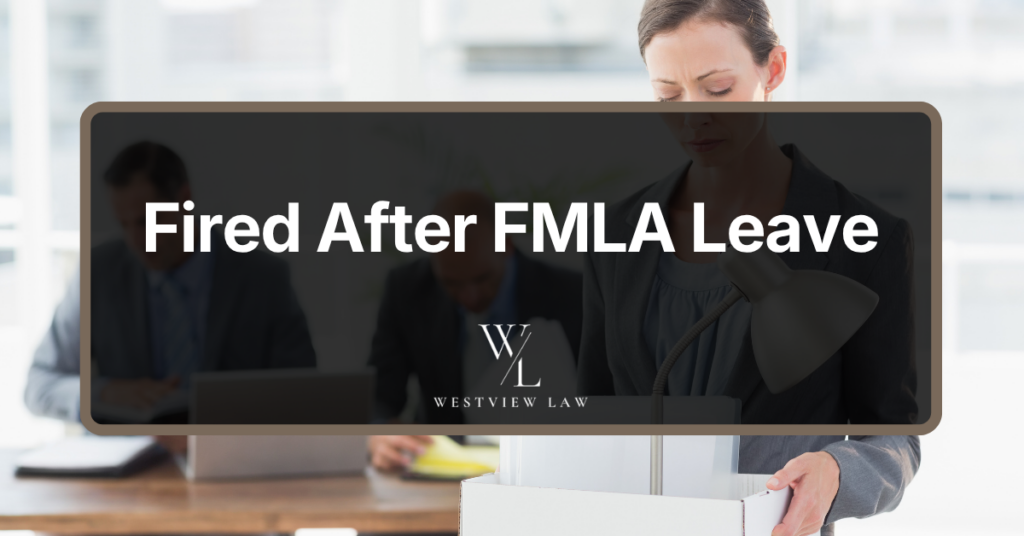
Healthcare billing fraud report
Coder reports upcoded Medicare claims; CFO terminates her.
Plaintiff-side representation under Lab. Code section 1102.5 and related statutes for California employees retaliated against for reporting illegal conduct.
Short answer: Labor Code 1102.5 protects California employees who report what they reasonably believe is a violation of law, or who refuse to take part in one. Courts generally give you three years to sue, applying Code of Civil Procedure 338(a). A complaint to the Labor Commissioner has a shorter deadline: one year, which can be extended for good cause.
Statewide California representation. Westview Law PC handles whistleblower retaliation cases for employees across every California county. Consultations are free and confidential.
California's principal whistleblower retaliation statute is Lab. Code §1102.5. The statute is broad. It prohibits an employer from retaliating against an employee who reports a reasonably-believed violation of any state or federal statute, rule, or regulation, to a government agency, to a person with authority over the employee inside the company, to a public body, or to an employee with authority to investigate, discover, or correct the violation. The 2014 amendment added internal reporting. The California Supreme Court's decision in People ex rel. Garcia-Brower v. Kolla's, Inc. (2023) 14 Cal.5th 719 extended protection to disclosures made to an employer about information already known to the employer, closing the "already-known" loophole.
The audience for this page is the employee who said something about something wrong (wage violations, safety hazards, environmental violations, securities fraud, Medicare billing fraud, harassment policy breaches) and saw her schedule, pay, or job change shortly after. Westview Law PC represents whistleblowers in section 1102.5 retaliation cases and in California False Claims Act qui tam actions under Gov. Code §12651 et seq.
Section 1102.5 has two notable features that distinguish it from generic retaliation statutes. First, the burden-shifting framework is more plaintiff-favorable than McDonnell Douglas. Under Lab. Code §1102.6 and Lawson v. PPG Architectural Finishes, Inc. (2022) 12 Cal.5th 703, once the employee shows that protected activity was a contributing factor in the adverse action, the employer must prove by clear and convincing evidence that it would have taken the same action absent the protected activity. Second, the statute includes a $10,000 civil penalty per violation, attorney's fees, and full FEHA-style damages.
Section 1102.5(b) protects disclosure of "information that the employee has reasonable cause to believe discloses a violation of state or federal statute, or a violation of or noncompliance with a local, state, or federal rule or regulation, or, with reference to employee safety or health, a violation of or noncompliance with an occupational safety or health standard." The "reasonable cause" standard is objective. The employee does not have to be right about the legality of the conduct she reported, only reasonable.
Before 2014, only external reports to a government agency were protected. After the amendment, internal reports to "a person with authority over the employee" or to "another employee who has the authority to investigate, discover, or correct the violation" are also protected. Garcia-Brower v. Kolla's, Inc. (2023) 14 Cal.5th 719 made clear that the disclosure is protected even if the employer already knew the information. The employee does not have to bring fresh information; she has to disclose it.
Section 1102.5(c) protects an employee who refuses to participate in an activity that would result in a violation of state or federal law. The refusal itself is the protected act. The employee does not need to report; the refusal alone suffices.
Section 1102.6 sets the proof framework. The employee shows by a preponderance that the protected activity was a contributing factor in the adverse action. The burden then shifts to the employer to prove by clear and convincing evidence that it would have taken the same action for legitimate, independent reasons. This is more demanding than McDonnell Douglas burden-shifting and was confirmed in Lawson v. PPG Architectural Finishes, Inc. (2022) 12 Cal.5th 703.
Termination, demotion, pay cut, suspension, schedule manipulation, exclusion from meetings, negative performance review, refusal to promote, undesirable reassignment, and constructive discharge all qualify. The standard is whether a reasonable employee would find the action materially adverse.
Section 1102.5(f) provides a civil penalty of up to $10,000 per violation per employee, payable to the employee. Section 1102.5(j) gives the prevailing employee attorney's fees. The employee can recover lost wages, emotional distress, and punitive damages where the employer's conduct was malicious. Steele v. Youthful Offender Parole Board (1987) 187 Cal.App.3d 1374 confirms emotional distress availability.
Coder reports upcoded Medicare claims; CFO terminates her.
Warehouse worker reports OSHA violations; supervisor cuts hours.
Employee reports off-the-clock work to HR; PIP follows.
Finance employee refuses to certify misleading financials; demoted.
Engineer reports unpermitted discharge to a regional water board; transferred to a dead-end role.
Manager refuses to sign a backdated agreement; terminated under section 1102.5(c).
HR business partner reports executive misconduct; eliminated in a "reorganization."
Program manager reports nonconformance in a federal contract; access revoked.
Customer-service lead reports deceptive marketing; written up for "attitude."
HR generalist reports a manager denying ADA interactive process; terminated for "fit."
State employee reports misuse of public funds; transferred and demoted. Gov. Code section 8547.
Employee files sealed complaint alleging fraud against the State; terminated when the complaint is unsealed.
Discharge shortly after the disclosure.
Title or duty reduction.
Compensation reduction unrelated to performance.
Paid or unpaid leave imposed after disclosure.
Hours cut or shifts changed to be untenable.
Reviews that did not match prior reviews.
Promotion path closed after disclosure.
Transfer to a role with reduced visibility or growth.
Conditions made intolerable to force resignation.
Section 1102.5(a) prohibits adopting retaliatory policies; section 1102.5(b) prohibits retaliation by the employer.
Section 1102.5(b) extends liability to "any person acting on behalf of the employer."
Where HR enforced the retaliatory action.
Personal liability where they participated in the retaliation.
Joint employer with the host employer.
Joint liability for retaliation against a worker placed by a labor contractor.
Integrated-enterprise theory.
State and local government employers under the Cal. Whistleblower Protection Act, Gov. Code section 8547.
Back pay from the adverse action to judgment, plus front pay where reinstatement is not feasible. The duty to mitigate applies.
Emotional-distress damages with no statutory cap. Punitive damages under Civ. Code section 3294 where the employer acted with malice, oppression, or fraud. A civil penalty up to $10,000 per violation per employee under section 1102.5(f).
Recoverable to the prevailing employee under section 1102.5(j). California False Claims Act qui tam cases provide for relator-share recovery (15 to 33% of the State's recovery) plus attorney's fees under Gov. Code section 12652(g).
Specific past results in whistleblower and retaliation cases are confidential and reviewed with you in consultation. Verified flagship firm outcomes across practice areas include:
See Case Results for the full firm record.
Past results do not guarantee future outcomes. Each case depends on its specific facts.
Section 1102.5 civil action: three years under CCP section 338(a). DLSE Retaliation Complaint Investigation Unit: one year under Lab. Code §98.7(a). California False Claims Act qui tam: the later of six years from the violation or three years from when the State knew or should have known, capped at ten years (Gov. Code section 12654). Sarbanes-Oxley federal whistleblower: 180 days to file with OSHA. Dodd-Frank federal whistleblower: six years. Multiple SOLs can apply to the same set of facts. The earliest controls the earliest harm.
Section 1102.5 cases can be filed directly in superior court. The 2014 amendment removed the DLSE-exhaustion requirement, so the employee no longer needs to file with the Labor Commissioner first. The Labor Commissioner's Retaliation Complaint Investigation Unit (RCI) remains a parallel option, particularly for employees who want an administrative investigation before deciding on civil litigation. The RCI process is informal, no filing fee, and the Labor Commissioner can order reinstatement and back pay.
For California False Claims Act qui tam cases, the action is filed under seal in superior court. The California Attorney General's office reviews the complaint and decides whether to intervene. Federal whistleblower claims under Sarbanes-Oxley start with an OSHA complaint and move to the U.S. Department of Labor administrative process before reaching the U.S. District Court (Northern, Central, Eastern, or Southern District of California). Dodd-Frank claims go directly to the U.S. District Court. Many whistleblower files combine a state section 1102.5 claim with a federal SOX or Dodd-Frank claim, and counsel must choose the forum strategically.
SOX claims must be filed with OSHA within 180 days. Call counsel before the federal clock runs. (310) 906-4862 or the form below.
Call (310) 906-4862 Open the consultation formA self-filed RCI complaint at the Labor Commissioner is possible and the agency provides forms and intake guidance. The trade-off is that section 1102.5 damages and the civil penalty are recovered in court, not at the RCI. A general-practice attorney can file the civil complaint but the section 1102.6 contributing-factor framework, the clear-and-convincing employer rebuttal standard, and the California False Claims Act overlay are specialized terrain. If the disclosure involved billing fraud, government contracts, or public-funds misuse, qui tam counsel is the right call. If it is a single-employee retaliation case with clean documentation, the civil-court path with employment-law counsel suffices.
Yes. The 2014 amendment extended protection to disclosures made to a person with authority over the employee inside the company, or to another employee with authority to investigate, discover, or correct the violation. People ex rel. Garcia-Brower v. Kolla's, Inc. (2023) 14 Cal.5th 719 went further and held that the disclosure is protected even when the employer already knew the information. The employee does not have to bring fresh information; she has to report it.
No. Section 1102.5(b) protects disclosures the employee "has reasonable cause to believe" reveal a violation. The standard is objective reasonable cause, not legal correctness. If the employee reasonably believed the conduct violated a statute or regulation, the disclosure is protected even if the legal conclusion turns out to be wrong.
Multiple clocks. A civil action under section 1102.5 runs three years from the retaliatory act under CCP section 338(a). A Labor Commissioner RCI complaint runs one year under Lab. Code section 98.7(a). Sarbanes-Oxley federal claims run 180 days at OSHA. Dodd-Frank federal claims run six years. California False Claims Act qui tam runs six years or three years from State knowledge, capped at ten years.
Section 1102.6 says the employee must show by a preponderance that the protected activity was a contributing factor in the adverse action. Once that showing is made, the employer must prove by clear and convincing evidence that it would have taken the same action for legitimate, independent reasons. Lawson v. PPG Architectural Finishes, Inc. (2022) 12 Cal.5th 703 confirmed that this framework applies, not the McDonnell Douglas burden-shifting rule.
Yes. Section 1102.5(c) protects an employee who refuses to participate in an activity that would result in a violation of law. The refusal itself is the protected act. The employee does not have to disclose the violation to anyone; saying no to participation is enough.
Causation requires that the decision-maker knew of the protected activity. Direct knowledge is not always required; the cat's-paw theory allows liability where a biased supervisor influenced the formal decision-maker. Reeves v. Safeway Stores, Inc. (2004) 121 Cal.App.4th 95 applied a similar theory in the FEHA context, and the same reasoning has been extended to section 1102.5 cases.
The California False Claims Act, Gov. Code section 12650 et seq., allows a private "relator" (typically an employee with inside knowledge of fraud against the State) to file a sealed civil action on behalf of the State. If the State recovers, the relator gets 15% to 33% of the recovery, plus attorney's fees. CFCA also includes a separate anti-retaliation provision in Gov. Code section 12653 that runs parallel to section 1102.5 with similar damages.
Public employees are covered by both section 1102.5 and the California Whistleblower Protection Act, Gov. Code section 8547 et seq. The Whistleblower Protection Act has its own procedure for state employees, with the State Personnel Board as the initial forum. Local government employees use section 1102.5 and the relevant Memorandum of Understanding grievance procedure.
Disclosure to the media is not enumerated in section 1102.5(b), which lists government agencies, persons with authority over the employee, and other employees with authority to investigate. Media disclosures are not protected by section 1102.5 itself, though they may be protected by other statutes (the California Constitution's free-speech protections for public employees, the SEC's whistleblower program for securities-related disclosures). Counsel typically advises whistleblowers to keep the disclosure within statutorily-protected channels first.
Back pay, front pay where reinstatement is not feasible, emotional distress with no statutory cap, punitive damages where the employer acted with malice, a civil penalty up to $10,000 per violation per employee under section 1102.5(f), and attorney's fees under section 1102.5(j). California False Claims Act qui tam cases add a relator share of the State's recovery.
No. Lab. Code section 2922 allows at-will termination for any lawful reason. Retaliation for a protected disclosure is not a lawful reason. The at-will doctrine does not apply where the termination motive itself violates a statute. Section 1102.5 is the statutory exception.
Counsel typically advises that any document the employee had lawful access to in the ordinary course of work is fair to preserve. Confidential documents the employee had no lawful right to access, or documents the employee removed in violation of a confidentiality agreement, can create separate liability and damage the case. The safest practice is to preserve documents the employee was already authorized to see, and to consult counsel before taking anything else.
David M. Safvati is a California-licensed employment lawyer at Westview Law PC. The practice includes section 1102.5 retaliation cases and California False Claims Act qui tam matters. Education: Loyola Law School, J.D. Bar admissions: State Bar of California, admitted 2019; U.S. District Court for the Central District of California; U.S. District Court for the Northern District of California. CA Bar #326605 (verify on calbar.ca.gov). Member, California Employment Lawyers Association and Taxpayers Against Fraud Education Fund. Speaks on the application of Lawson v. PPG Architectural Finishes, Inc. and People ex rel. Garcia-Brower v. Kolla's, Inc. to modern whistleblower files.
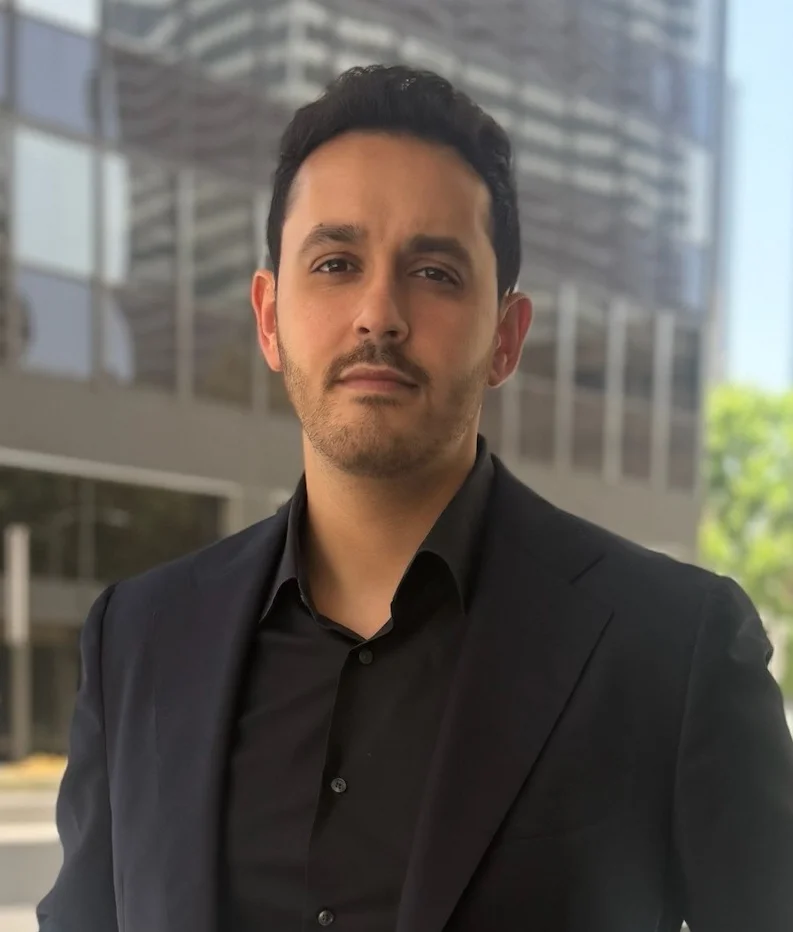 David M. Safvati
Founding Partner
David M. Safvati
Founding Partner
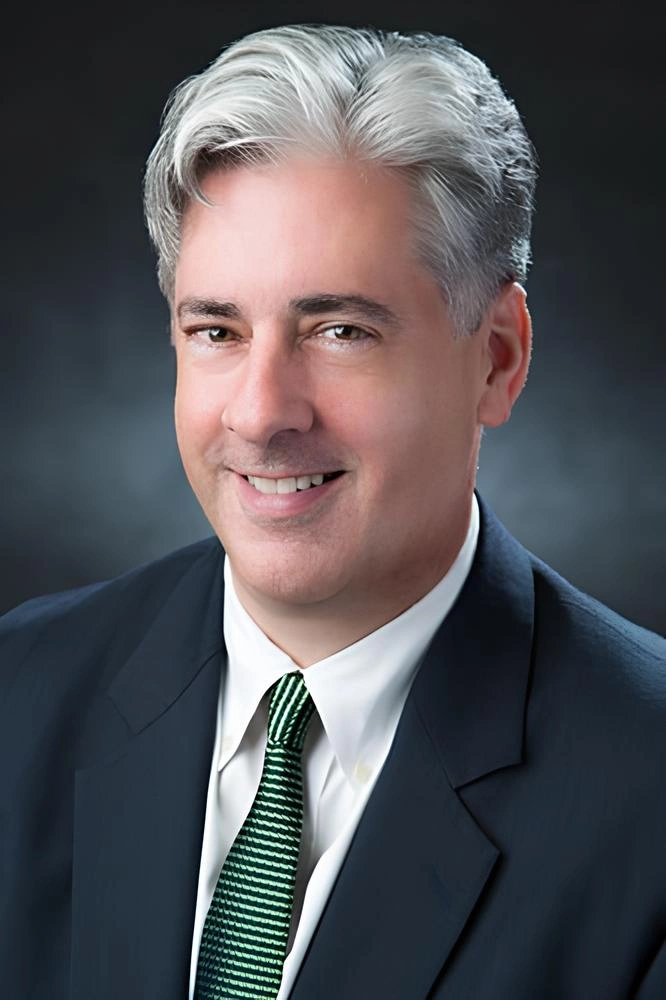 Paul S. Marks
Of Counsel
Paul S. Marks
Of Counsel
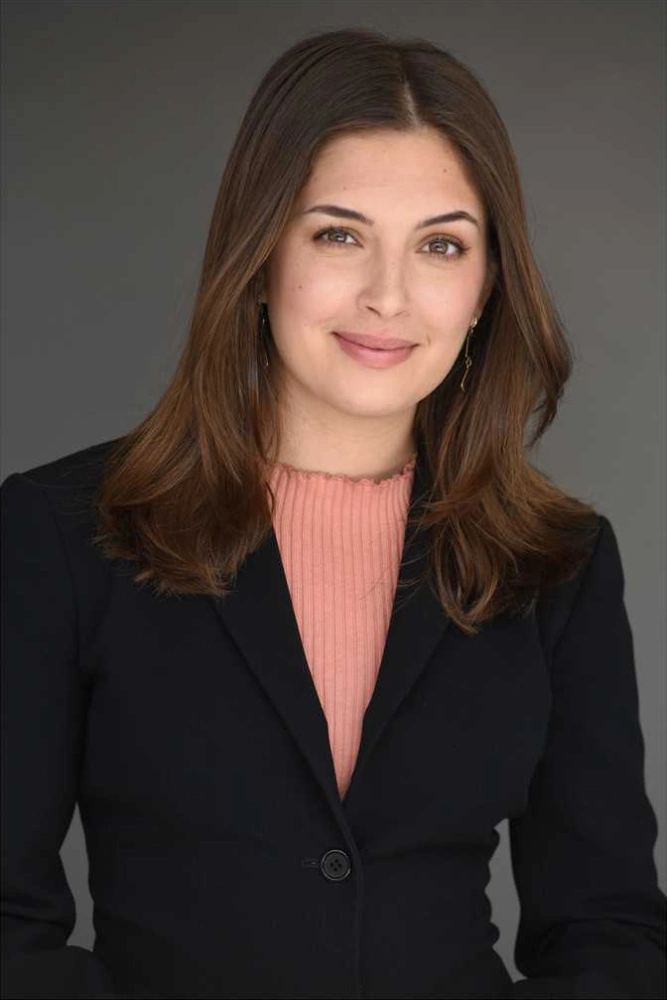 Taylor Markey
Of Counsel
Meet the Team →
Taylor Markey
Of Counsel
Meet the Team →

40+ Years Combined Experience
Top 100 Verdict in California (2024). A real trial law firm that fights for results.
Schedule a Consultation →
Free Case Evaluation
Our California attorneys offer free, confidential consultations.
Get a Free Evaluation →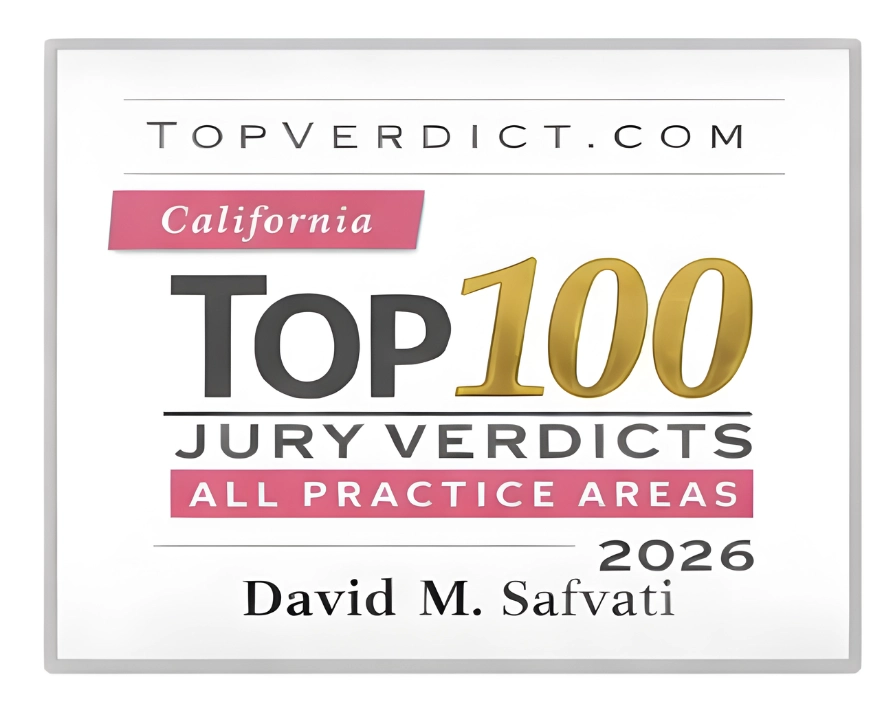
We Prepare Every Case for Trial
That’s why insurance companies take us seriously — we prepare every case for trial.
View All Results →
Serving Employees Across California
Wherever you work in California, our attorneys can take your case.
Get a Free Evaluation →
Not Sure Where You Stand?
A free consultation is the fastest way to understand your options.
Talk to an Attorney →