San Francisco Employment Lawyer
Westview Law PC represents San Francisco employees in wrongful termination, harassment, retaliation, and discrimination cases under FEHA and Title VII. Free, confidential case review with a California-licensed attorney.
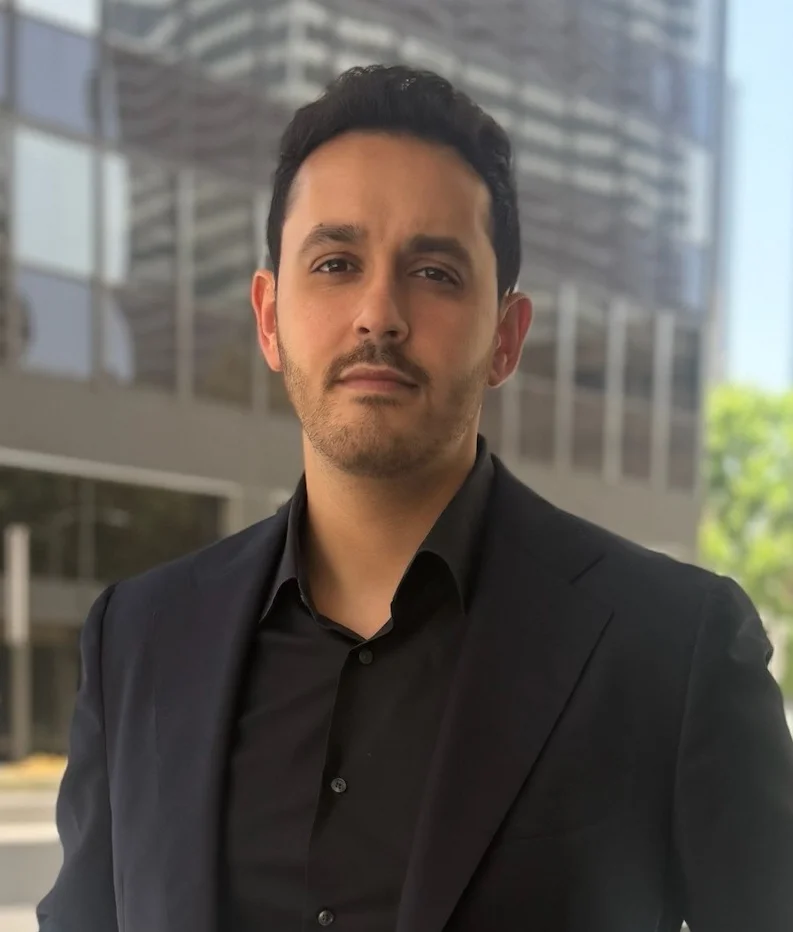
Reviewed by David M. Safvati, Esq., California State Bar #326605 (verify) · Attorney Advertising
Consultations are confidential and conducted by phone, video, or in person by appointment. Westview Law PC serves employees throughout the City and County of San Francisco, including SoMa, the Financial District, Mission Bay, the Mission, and the Sunset.
- Top 100 Jury Verdict 2024 Recognition for California employee representation
- 30+ Years Combined trial experience, employment matters handled statewide
- 100% Plaintiff-side, employee representation only
- $0 Up-front fees for qualifying matters
Employment Lawyer for San Francisco Workers
San Francisco employees work under more legal protections than almost any other workforce in the country. State law gives you the California Fair Employment and Housing Act, codified at Gov. Code §12940. Federal law adds Title VII, the ADA, and the ADEA. On top of that, the City and County of San Francisco layers its own ordinances over the state floor, expanding sick leave, fair-chance hiring, and family-friendly schedule rights.
Westview Law PC represents employees, not employers. The workers we hear from include software engineers terminated after taking medical leave, hospitality staff denied meal breaks, biotech researchers facing national-origin slurs, hotel housekeepers retaliated against for reporting harassment, and warehouse workers misclassified as independent contractors. The legal framework varies by claim, but the question is the same: did your employer break a state, federal, or local rule that gives you a remedy?
This page covers how California employment law works for San Francisco workers, what filing deadlines apply, where your case is heard, and what to expect if you call. If you suspect an employer crossed a legal line, the practical first step is a confidential conversation with counsel before evidence disappears and deadlines run.
Your Rights as a San Francisco Employee
San Francisco claims usually combine state law with a city layer, enforced by the Office of Labor Standards Enforcement (OLSE).
- FEHA, Gov. Code §12940. Covers employers with five or more workers, and employers of any size for harassment. Protected traits include race, sex, gender identity, sexual orientation, disability, age 40 and over, and national origin.
- Title VII, 42 U.S.C. §2000e et seq. Applies at 15 employees. The EEOC deadline is 300 days here, not 180.
- Whistleblower retaliation, Lab. Code §1102.5. Covers reports to a manager, a government agency, or anyone with authority to fix the problem, including city ordinance violations.
- Wage and hour, Lab. Code §510 (overtime) and §226.7 (meal and rest breaks). Daily overtime after eight hours, an extra hour of pay on days a break is missed, and §1194 to recover unpaid wages. The city minimum wage has been $19.61 an hour since July 1, 2026; the state's is $16.90.
- Pregnancy disability, Gov. Code §12945. Up to four months for a pregnancy-related disability, separate from CFRA.
- CFRA, Gov. Code §12945.2. Twelve workweeks of protected leave at employers with five or more workers, after a year and 1,250 hours.
San Francisco-specific ordinances
Each one can be enforced through an OLSE complaint:
- San Francisco Paid Sick Leave Ordinance (S.F. Labor and Employment Code Article 11). One hour per 30 worked, capped at 72 hours (40 at employers under 10 workers), alongside Lab. Code §246.
- Fair Chance Ordinance (S.F. Police Code Article 49). Employers with five or more workers cannot ask about convictions before a conditional offer or, for most jobs, weigh convictions over seven years old. Amendments took effect August 10, 2026.
- Family Friendly Workplace Ordinance (S.F. Labor and Employment Code Article 32). At employers with 20 or more workers, caregivers employed six months can request a flexible or predictable schedule in writing. The employer must answer within 21 days and can refuse only for undue hardship.
- Health Care Security Ordinance Employers with 20 or more workers must spend a set amount on health care for staff working eight or more hours a week in the city.
Deadlines that cut off your case
Filing late ends most claims before the merits. Once they are reached, the worker makes a prima facie showing, the employer gives its reason, and the worker shows pretext (McDonnell Douglas Corp. v. Green (1973) 411 U.S. 792; Guz v. Bechtel National, Inc. (2000) 24 Cal.4th 317).
| Claim | Forum | Deadline |
|---|---|---|
| Bias, harassment, or retaliation under FEHA | Civil Rights Department | Three years after the last unlawful act, Gov. Code §12960(e) |
| Federal claims (Title VII, ADA, ADEA) | EEOC | 300 days, since California is a deferral state |
| Lawsuit after a right-to-sue notice | S.F. Superior Court or N.D. Cal. | One year after a CRD notice; 90 days after an EEOC notice |
| Unpaid wages, Lab. Code §1194 | Labor Commissioner, 455 Golden Gate Ave., or court | Three years; four when pleaded under B&P §17200 |
| Retaliation for reporting, §1102.5 | Superior Court | Three years |
How Westview Law PC Helps San Francisco Employees
Intake and case evaluation
A free, private call with a California-licensed attorney. Bring the offer letter, write-ups, and termination notice.
CRD and EEOC charge filing
We prepare and file the CRD charge, cross-file with the EEOC, and time the right-to-sue request.
Investigation
Preservation letter first, then Slack or Teams threads, pay and scheduling records, and coworker interviews.
Demand letter and pre-litigation negotiation
A written demand that ties each figure to a document or statute, including city-ordinance claims.
Litigation in state or federal court
Suit in San Francisco Superior Court on McAllister Street or in the Northern District at 450 Golden Gate Avenue, then discovery and motions.
Mediation and trial
Private mediation or a settlement conference, and jury preparation if the offer falls short.
Employment Cases We Handle in San Francisco
Wrongful termination
Firings that violate FEHA, a contract, or public policy under Tameny v. Atlantic Richfield Co. (1980) 27 Cal.3d 167, such as firing someone for complaining to an agency.
Workplace harassment
Harassment by a supervisor, coworker, or customer, judged under Lyle v. Warner Bros. Television Prods. (2006) 38 Cal.4th 264.
Workplace retaliation
Punishment after a pay complaint, an OLSE or CRD filing, or a Lab. Code §1102.5 report.
Disability discrimination
Refused schedule changes or remote work, and skipped interactive meetings, under FEHA §12940(m) and ADA Title I.
Pregnancy discrimination
Losing a role, a promotion, or PDL because of pregnancy, under Gov. Code §12945.
Racial discrimination
Unequal pay, discipline, or promotion tied to race or color.
Sexual harassment
Quid pro quo demands and sexual conduct. Employers are strictly liable for a supervisor's harassment.
Age discrimination
Workers 40 and over pushed out in reorganizations, under FEHA and the ADEA.
National-origin discrimination
Accent bias and English-only rules in restaurants, hotels, and hospitals.
Religious discrimination
Refused schedule swaps for observance, or rigid dress and grooming rules.
Equal pay
Pay gaps by sex, race, or ethnicity under Lab. Code §1197.5. The city's Parity in Pay Ordinance bars salary-history questions.
Wage and hour
Pay below the $19.61 city minimum, missed breaks, and tips kept by the house (Lab. Code §351).
Common Violations We See in San Francisco Workplaces
Discriminatory firing
Termination soon after a pregnancy announcement, a leave request, or a complaint about bias.
Hostile work environment
Slurs, threats, or repeated comments that change the job, measured under Lyle.
Quid pro quo
A raise or shift offered for sexual favors, or taken away after a refusal.
Denied accommodation
No meeting and no alternatives after a medical note arrives; see Scotch v. Art Inst. of Cal. (2009) 173 Cal.App.4th 986.
Retaliation for protected activity
A worse schedule, a demotion, or a firing after a complaint to HR, the CRD, or OLSE.
Wage theft
Off-the-clock closing work, tip-pool abuse, and city sick leave earned but never paid.
Misclassification
Cleaning, event, and creative workers labeled contractors despite the ABC test in Lab. Code §2775.
Failure to pay overtime
No time-and-a-half past eight hours a day or 40 a week (Lab. Code §510).
Denied leave
Refused PDL, CFRA, FMLA, or sick leave, and caregiver schedule requests left unanswered past 21 days.
Who Can Be Held Liable
The employer
Strictly liable for a supervisor's harassment, and liable for coworker or customer harassment it failed to stop.
Supervisors
Personally liable for harassment under FEHA.
Managers
Usually not personally liable for discrimination or retaliation, but their emails and decisions often prove motive.
HR
Skipping an investigation exposes the employer to a failure-to-prevent claim, Gov. Code §12940(k).
Co-workers
Personally liable for their own harassment; the employer is too if it knew and did nothing.
Staffing agency
Agency and client can both be liable, and Lab. Code §2810.3 makes client employers share some wage liability.
Joint employer
A parent company or franchisor that controls hiring, pay, or discipline.
Successor liability
A buyer that keeps the business and staff may inherit the seller's claims.
Damages You May Recover
Back pay and front pay
Wages, benefits, and bonuses lost since the firing, plus future losses if going back is not realistic. Ordinance claims can add unpaid sick pay.
Emotional distress and punitive damages
Uncapped FEHA damages for anxiety and humiliation. Punitive damages require clear and convincing proof of malice, oppression, or fraud (Civ. Code §3294).
Attorney's fees and costs
A winning FEHA plaintiff can recover fees under Gov. Code §12965(c). Title VII has its own fee rule at 42 U.S.C. §2000e-5(k).
Representative Recoveries
Specific past outcomes in employment matters are confidential and discussed in consultation. Verified, publicly reported flagship recoveries by the firm include:
Past results do not guarantee future outcomes. Each case depends on its specific facts. See case results for the full firm record.
Why Employees Choose Westview Law PC
- Employees only. We do not represent companies, so there is no conflict with an employer we also defend.
- City and state law together. We check each claim against the Labor Code and the OLSE ordinances, since one firing can break both.
- San Francisco filings. Our attorneys have appeared in San Francisco Superior Court and before the California Civil Rights Department.
- No fee unless we recover. Qualifying cases run on contingency, with nothing paid up front.
- The lawyer answers. You talk to the attorney working your case.
The 7-Step Case Process
- Consultation. A free call to go over what happened, the dates, and what you want.
- CRD or EEOC charge. We file the administrative charge, which preserves the FEHA and federal deadlines. Ordinance complaints can go to OLSE at the same time.
- Investigation. Preservation letters, requests for the personnel file and payroll records (Lab. Code §§1198.5, 226), and interviews with coworkers.
- Right-to-sue letter. The CRD issues it on request or when its investigation closes, and the one-year window to sue starts then.
- Litigation. Suit in San Francisco Superior Court or the Northern District of California, then written discovery and depositions.
- Mediation. Usually after the key depositions, when both sides know the evidence.
- Trial. A jury at the Civic Center Courthouse or the Burton federal building if the case does not settle.
How Westview Law PC Serves San Francisco Clients from Our Los Angeles Office
Westview Law PC has one office, at 1880 Century Park East, Suite 1100, Los Angeles, CA 90067. The firm does not maintain a separate location in San Francisco, and we want clients to have that fact in front of them before they call. What the firm does have is a California bar license that covers every county in the state, and a regular practice in City and County of San Francisco matters filed at the San Francisco Superior Court, Civic Center Courthouse (400 McAllister Street, San Francisco, CA 94102) and in the U.S. District Court for the Northern District of California, San Francisco Division (Phillip Burton Federal Building and U.S. Courthouse, 450 Golden Gate Avenue, San Francisco, CA 94102). Initial consultations are conducted by phone or video, and in-person meetings happen at the Century City office or at a San Francisco-area location when the case requires it. Call (310) 906-4862 to start a case review.
What San Francisco looks like for us in practice. San Francisco has the densest layer of local employment ordinances in California. The Fair Chance Ordinance, Family Friendly Workplace Ordinance, Paid Parental Leave Ordinance, Health Care Security Ordinance, and the Formula Retail Employee Rights Ordinance (Predictive Scheduling) all add obligations on top of state law. Tech employers also face heightened scrutiny on equity compensation and post-termination stock-option vesting disputes. The Civic Center Courthouse at 400 McAllister Street is served by BART and Muni at the Civic Center / UN Plaza station; the federal courthouse is across Larkin Street at 450 Golden Gate Avenue. Driving and parking downtown is constrained, so most appearances and depositions run through transit.
An attorney's view of the San Francisco mix. In our practice out of San Francisco Superior Court, the most common matter is FEHA retaliation in the tech sector after equity-related disputes or after a manager raised a discrimination concern. We also handle SF Predictive Scheduling Ordinance claims for formula retail employees and Health Care Security Ordinance disputes. What SF tech clients often misunderstand is that even when their employment contract specifies arbitration, the FEHA representative-action exception under PAGA and AB 51 create paths to court that are not always foreclosed by the arbitration clause.
Where federal and state enforcement sits. Federal claims under Title VII, the ADA, and the ADEA are administered by the U.S. Equal Employment Opportunity Commission, and California state-law claims under FEHA, the Labor Code, and the Cal-WARN Act run through the California Civil Rights Department and the California Labor Commissioner, with the California Attorney General's office taking some pattern-and-practice and PAGA-related matters. Civil filings for City and County of San Francisco residents proceed at the San Francisco Superior Court, Civic Center Courthouse.
Where San Francisco Employment Cases Are Heard
- San Francisco Superior Court. Civic Center Courthouse, 400 McAllister Street, San Francisco. Most FEHA civil actions for San Francisco-based employment are filed here.
- California Civil Rights Department. The CRD office serving San Francisco is at 555 12th Street, Suite 2050, in Oakland, three blocks from the 12th Street Oakland City Center BART station. It also serves San Jose and the rest of the Bay Area. Charges may also be filed online statewide.
- U.S. District Court, Northern District of California. The Phillip Burton Federal Building at 450 Golden Gate Avenue handles Title VII, ADA, ADEA, and FMLA cases that proceed in federal court.
- Industry context. San Francisco's workforce is concentrated in technology, finance, biotech, hospitality, and the gig economy. Pay-stub and meal-break violations recur in hospitality and retail. Disability-accommodation disputes and retaliation claims recur in tech. Tipped-worker wage cases recur in restaurants. Each industry has its own pattern of recurring claims.
Talk to a San Francisco Employment Lawyer
Deadlines run while you decide. A short call with an attorney clarifies whether your facts state a claim, which agency to file with first, and what evidence to preserve right now.
Smaller Firm or DIY?
Filing on your own is possible. Unpaid wages can go to the Labor Commissioner's San Francisco office at 455 Golden Gate Avenue, 9th Floor. City minimum-wage and sick-leave complaints go to OLSE, and safety complaints go to the Cal/OSHA district office at the same address, Suite 9516.
Discrimination charges are where people lose ground alone. A right-to-sue notice requested too early starts a one-year clock, preservation letters never go out, and emotional distress and fees under §12965(c) get left out of the demand.
A general-practice firm can file the paperwork. Westview focuses on California employment law and represents employees only, which is the reason to call us instead.
Recognition and Credentials
- California State Bar member in good standing. Verify at calbar.ca.gov.
- Top 100 California Jury Verdicts, 2024.
- California Employment Lawyers Association member.
- Bar admissions: State Bar of California; U.S. District Court, Northern District of California; U.S. District Court, Eastern District of California; U.S. District Court, Central District of California.
San Francisco Employment Law FAQ
How long do I have to file a discrimination claim in San Francisco?
Under FEHA, you have three years from the last unlawful act to file a charge with the California Civil Rights Department, Gov. Code §12960(e). For Title VII claims, the EEOC deadline is 300 days in California because the state has CRD as an equivalent enforcement agency. After a right-to-sue letter issues, you have one year (CRD) or 90 days (EEOC) to file suit. Local San Francisco ordinance claims have their own deadlines, often tied to a one-year limitations period for civil enforcement. Evidence ages and witnesses leave, so the practical deadline to act is usually well before the statutory cutoff.
Do San Francisco employees have rights beyond California law?
Yes. The City and County of San Francisco enforces several ordinances that expand on the state floor. The Paid Sick Leave Ordinance (S.F. Labor and Employment Code Article 11) provides accrual from the first hour worked. The Fair Chance Ordinance (SF Police Code Article 49) restricts how employers consider conviction history. The Family Friendly Workplace Ordinance gives eligible employees the right to request a flexible schedule for caregiving. The Health Care Security Ordinance requires covered employers to make health-care spending on behalf of employees working in San Francisco. Each layers over FEHA and the Labor Code, not in place of them.
What does my employer have to do when I request a disability accommodation?
FEHA Gov. Code §12940(m) and ADA Title I both require an employer to engage in an interactive process when an employee asks for an accommodation related to a disability or medical condition. The employer is not required to provide your preferred accommodation, but it is required to explore options in good faith and to provide a reasonable one if it exists. Refusal to engage in the process, automatic denials, and demands for excessive medical detail can each support a claim. Scotch v. Art Inst. of Cal. (2009) 173 Cal.App.4th 986 outlines the interactive-process duty in California.
Can I sue if I was fired for reporting something illegal at work?
Lab. Code §1102.5 protects employees from retaliation after a report, whether the report goes to a supervisor, an outside agency, or a person with authority over the conduct. The statute covers reports of state, federal, and local violations. Wrongful termination in violation of public policy is a separate tort under Tameny v. Atlantic Richfield Co. (1980) 27 Cal.3d 167, often pleaded alongside §1102.5. The remedy can include back pay, front pay, emotional distress damages, and attorney's fees. Timing matters because the statute of limitations is three years for §1102.5.
How does California handle sexual harassment differently from federal law?
FEHA covers employers with five or more employees for most claims, and zero for harassment, which is broader than Title VII's 15-employee threshold. California recognizes individual supervisor liability for harassment, while Title VII generally does not. Damages under FEHA are uncapped, while federal compensatory and punitive damages under Title VII are subject to statutory caps tied to employer size. Aguilar v. Avis Rent A Car (1999) 21 Cal.4th 121 and Lyle v. Warner Bros. Television Prods. (2006) 38 Cal.4th 264 set out the California standard for hostile work environment claims.
What is the difference between filing with CRD and filing in court?
For FEHA claims, you generally must file an administrative charge with the California Civil Rights Department before suing in court. CRD will either investigate or, on request, issue an immediate right-to-sue letter. Once the letter issues, you have one year to file a civil action in superior court. Filing with CRD preserves the statute of limitations and, in some cases, leads to a mediation or investigation that resolves the matter without litigation. Most employment lawyers request an immediate right-to-sue rather than wait for CRD's investigation queue, because the agency is heavily backlogged.
I work in tech in San Francisco. Are stock options part of my damages?
They can be. Unvested equity that you lost because of an unlawful termination is potentially recoverable as part of the back-pay and front-pay calculation. The recovery depends on the grant agreement, the vesting schedule, and the date of termination relative to vesting milestones. Restricted stock units, performance shares, and option grants each get treated differently. Counsel familiar with tech-sector compensation will review the grant agreement and 10b5-1 plans where relevant before calculating damages. This is an area where a generalist civil firm often undercounts the recovery.
My employer says I am an independent contractor. Is that legal?
Maybe. California uses the ABC test, codified at Lab. Code §2775, which presumes employment unless the hiring entity shows that (A) the worker is free from control, (B) the work is outside the usual course of the hiring entity's business, and (C) the worker is engaged in an independently established trade. Several gig-economy categories were carved out by Proposition 22, but the carve-out is narrow. If you are misclassified, you may have claims for unpaid overtime, missed meal and rest breaks, expense reimbursement under Lab. Code §2802, and pay-stub penalties.
Can I be fired for taking pregnancy disability leave?
No. Gov. Code §12945 protects up to four months of pregnancy disability leave, and termination because of leave or pregnancy is unlawful under FEHA. CFRA at Gov. Code §12945.2 provides additional bonding leave for parents. Federal FMLA at 29 U.S.C. §2601 provides up to 12 weeks of job-protected leave for serious health conditions, including pregnancy-related conditions. If you were terminated, demoted, or had your role materially changed during or after pregnancy leave, the timing alone often supports a prima facie claim of discrimination or retaliation.
What is constructive discharge?
Constructive discharge occurs when working conditions become so intolerable that a reasonable employee would feel compelled to resign. Turner v. Anheuser-Busch (1994) 7 Cal.4th 1238 sets the California standard. The conduct must be more than ordinary workplace friction, and the employee must show that the employer knew or should have known about the conditions and failed to act. Constructive discharge is treated as a termination for purposes of damages, including back pay and front pay. The claim is often paired with harassment or retaliation theories rather than pleaded alone.
What evidence should I preserve before I talk to a lawyer?
Anything documenting the conduct and your performance. Emails, text messages, Slack or Teams messages, performance reviews, written discipline, offer letters, severance proposals, and timecards. Forward copies to a personal email account where lawful and allowed by company policy. Do not take confidential documents that are not yours. Write down the timeline while it is fresh, including the names of witnesses, the dates of conversations, and the precise words used in the worst incidents. The first hour with counsel is far more productive when the record is preserved.
How much does a Westview Law employment lawyer cost?
The initial case review is free. Qualifying matters proceed on a contingency basis, where the firm's fee is a percentage of the recovery and there is no out-of-pocket cost to the employee unless the case recovers. FEHA at Gov. Code §12965(c) allows the prevailing employee to recover attorney's fees from the employer, which often offsets or covers the contingency fee. We explain the fee agreement in writing before any work begins.
About the Attorney
David M. Safvati represents employees throughout California in claims under FEHA, Title VII, the ADA, the ADEA, the CFRA, and the California Labor Code. The practice covers wrongful termination, harassment, retaliation, discrimination, wage and hour disputes, and whistleblower matters. David M. Safvati has appeared before the San Francisco Superior Court, the California Civil Rights Department, the EEOC, and the U.S. District Court for the Northern District of California.
Education: Loyola Law School, J.D. Bar admissions: State Bar of California; U.S. District Court, Northern District of California; U.S. District Court, Eastern District of California; U.S. District Court, Central District of California.
California Bar #326605. Verify at calbar.ca.gov.