CASE AT A GLANCE
- Recovery: $146,000,000 total jury verdict ($73M compensatory plus $73M punitive)
- Practice area: Complex commercial litigation, real estate, financial misconduct
- Trial structure: Two phase jury trial, ten months on the record
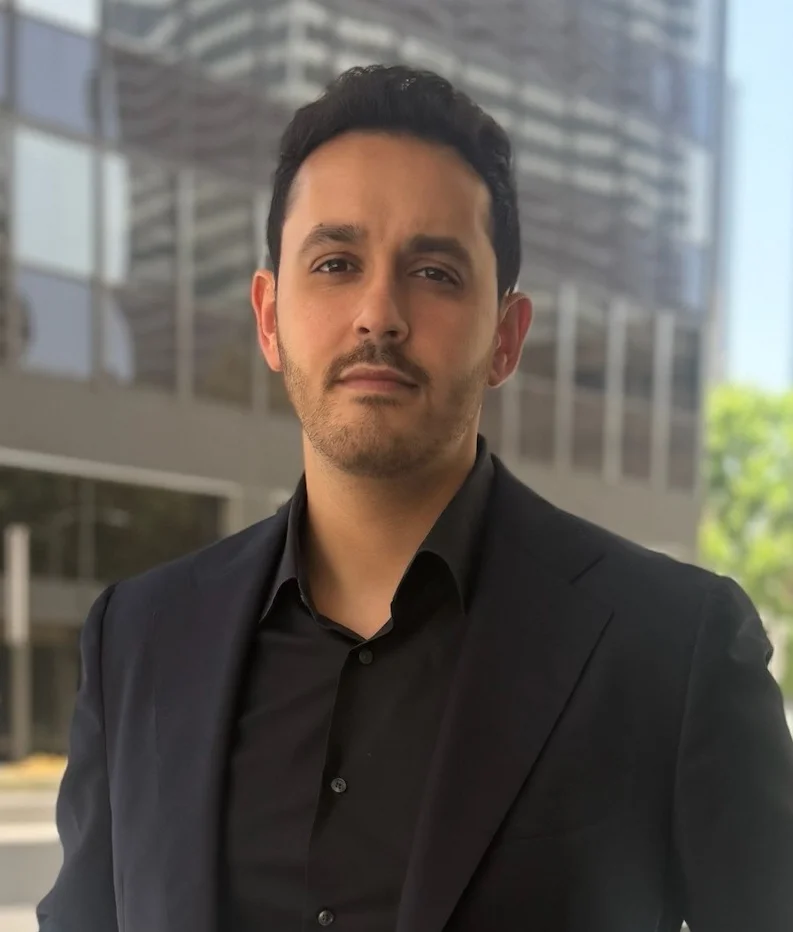
- Lead trial counsel: Paul S. Marks
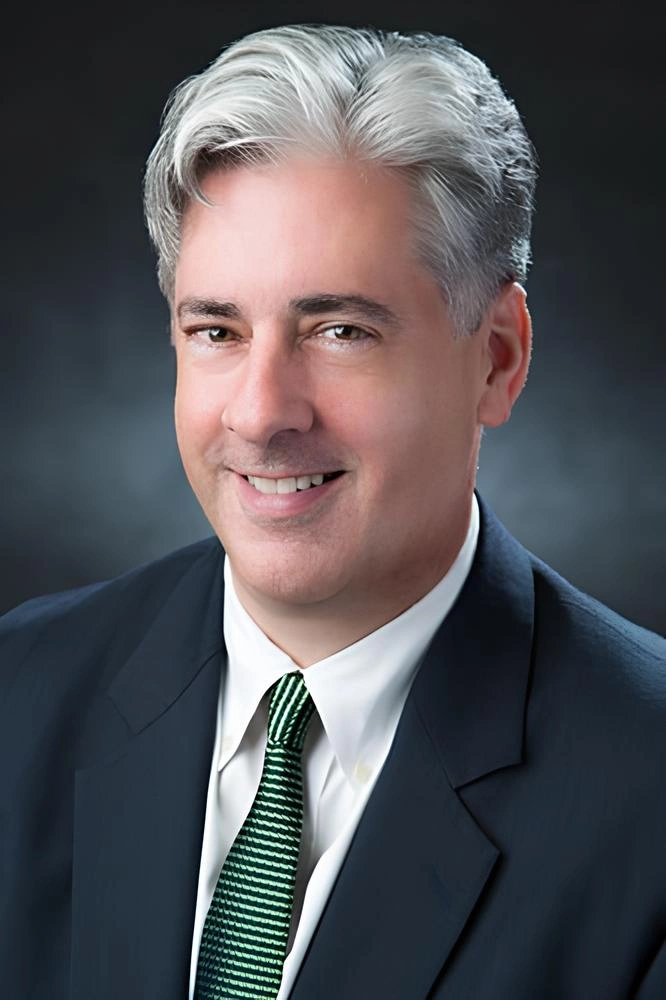
- Verifying attorney for Westview Law: David M. Safvati, CA Bar #326605
Westview Law Case Result
$146,000,000 Jury Verdict, Complex Commercial Real Estate and Financial Misconduct
Lead trial counsel: Paul S. Marks. Court: Superior Court. Result type: Two phase jury verdict.
Outcome at a glance
- $73,000,000 in economic damages awarded in phase one.
- $73,000,000 in punitive damages awarded in phase two.
- $146,000,000 total verdict, returned by the jury.
- Ten month jury trial, including cross examination of the Board Chairman of one of South Korea's largest conglomerates.
Factual background
The case involved a real estate and specific performance dispute between a California based plaintiff and a foreign corporate counterparty whose ultimate ownership traced back to a major South Korean conglomerate. The dispute centered on the failure to honor obligations tied to a high value transaction, and the conduct that surfaced during discovery placed the matter squarely in complex commercial and financial misconduct territory.
The trial team built the case across hundreds of exhibits and dozens of fact and expert witnesses. The plaintiff's theory connected ground level transactional documents to the upper echelon of the counterparty's corporate structure, which required the plaintiff to demonstrate authority, knowledge, and intent at the board level. The court permitted a two phase structure: liability and compensatory damages first, then a separate punitive damages phase in which the conduct of corporate leadership was the central question.
Claims pursued
The plaintiff pursued claims that included specific performance of the underlying real estate obligation, breach of contract, fraud, and related theories supporting punitive exposure. The punitive damages phase required a showing of malice, oppression, or fraud by clear and convincing evidence under California Civil Code section 3294. The verdict in phase two reflects the jury's acceptance of that showing against the corporate defendants.
Trial work at the witness level
Paul Marks conducted jury selection and examined over twenty five witnesses across the ten month trial. In the punitive damages phase, he cross examined the Board Chairman of the parent conglomerate. That cross examination, conducted through interpreters and across multiple trial days, produced the testimony the jury relied on when it returned the second $73,000,000 award. Verdicts at this scale rarely turn on a single examination, but the chairman's testimony was a pillar of the punitive case.
Why this result matters for clients in similar disputes
Two practical takeaways shape how Westview Law approaches commercial cases of this scale. First, structuring a trial in phases gives juries room to reach a precise damages figure without conflating compensation and deterrence. Second, the willingness to put a foreign corporate executive on the witness stand, under oath, is often the difference between a settlement that undervalues the claim and a verdict that reflects the conduct.
Westview's commercial litigation practice draws on this depth of trial experience for clients facing financial misconduct, contractual breaches with cross border exposure, real estate transactions that have gone wrong at the institutional level, and disputes where the counterparty is a large enterprise insulated by layers of corporate form.
Clients evaluating a case of this complexity should know that the timeline from filing to verdict for a matter of this size, including the discovery, summary adjudication motions, motions in limine, and the trial itself, often runs three to five years in Superior Court. The legal fee structure, witness logistics, and document review cost on a case of this scope are substantial, and the trial team that takes one on is making a multi year commitment. That commitment is the precondition for an outcome on this order.
Counsel's perspective
"What made this case work at trial was the decision to treat the punitive phase as a separate trial, with its own theory, its own witness list, and its own documentary record. By the time the chairman took the stand, every exhibit the jury saw had been chosen for what it proved about knowledge and ratification, not about damages. That focus is what produced the second $73,000,000."
For attorneys facing similar facts, the procedural lever that mattered most was the court's willingness to bifurcate liability and punitives. That structure, paired with a long discovery runway aimed at the parent company's decision making, is what kept the corporate veil from doing the work the defense needed it to do.
Frequently asked questions
What practice area does this case fall under?
Complex commercial litigation, with overlapping real estate, fraud, and corporate misconduct claims. The matter combined a specific performance theory tied to a real estate transaction with breach of contract and fraud theories that supported a separate punitive damages phase.
How long did the case take from filing to verdict?
The jury trial itself ran ten months. The full timeline from filing through verdict, including discovery, summary adjudication briefing, and motions in limine, was substantially longer, in line with the three to five year arc typical for complex commercial trials of this size in Superior Court.
Is a verdict this size typical for commercial cases?
No. Nine figure jury verdicts are rare. They tend to require facts that support both compensatory liability and punitive exposure, a defendant with the resources to litigate through trial, and a trial team prepared to invest years of work. Every case turns on its own facts, evidence, and procedural history, and past results do not guarantee a similar outcome.
What was the key legal issue?
In the compensatory phase, breach of contract and specific performance tied to a real estate obligation. In the punitive phase, whether the conduct of the corporate parent met the malice, oppression, or fraud standard under California Civil Code section 3294, proven by clear and convincing evidence and tied to the acts of an officer, director, or managing agent.
What evidence was decisive?
The documentary record connecting transactional decisions to senior corporate leadership, combined with the live testimony of the parent company's Board Chairman, who was examined through interpreters across multiple trial days. The exhibits and the cross examination together gave the jury the basis to find ratification and intent at the board level.
Can someone with a similar case expect the same outcome?
No. Every case is decided on its own facts, evidence, witnesses, and the procedural choices made along the way. This page describes one trial result. It does not predict the outcome of any other matter, and past results are not a guarantee of future results in any case Westview Law may handle.
Where can I verify the lead attorney's California Bar standing?
David M. Safvati, Esq., is California State Bar #326605. His status is verifiable on the State Bar of California website.
Past results disclosure. The verdict described above is an actual result obtained by Westview Law PC counsel. Every case turns on its own facts, evidence, and procedural history. Past results do not guarantee a similar outcome in any future matter. This page is attorney advertising and does not create an attorney client relationship.
Verification: David M. Safvati, Esq., California State Bar #326605. Verify on the State Bar website.