Wrongful termination
Losing a school, hospital, or packing-house job for a reason the law forbids, under FEHA, Tameny, or the Labor Code.
Westview Law PC represents Fresno County and Central Valley employees in wrongful termination, harassment, discrimination, retaliation, and wage-hour claims under California and federal law, with agricultural, healthcare, and education workforces among the recurring case patterns.
Reviewed by David M. Safvati, Esq., California State Bar #326605 (verify) · Attorney Advertising
Westview Law PC handles employment cases for workers throughout Fresno County and the surrounding Central Valley, including the city of Fresno, Clovis, Sanger, Selma, Reedley, Madera, and the rural ag zones to the west and south. Initial consultations are confidential. Most plaintiff-side employment matters are handled on a contingency-fee basis, meaning the client pays no attorney fee unless there is a recovery.
Fresno County sits at the heart of California's agricultural economy. Tens of thousands of workers harvest, sort, pack, and ship table grapes, almonds, citrus, stone fruit, tomatoes, and dairy products across the Central Valley. Beyond agriculture, Fresno's employment base includes Community Regional Medical Center, Saint Agnes Medical Center, Kaiser Fresno, Fresno State, Fresno Unified School District, the Fresno County government, and a logistics and food-processing corridor stretching along the 99 freeway. California employment law applies to each of these employers, with one important jurisdictional split for agricultural workers described below.
The core California anti-discrimination and anti-harassment statute is the Fair Employment and Housing Act, codified at Government Code sections 12900 through 12996. Section 12940 lists the practices a covered employer cannot lawfully engage in, including discrimination, harassment, and retaliation based on race, sex, age, disability, pregnancy, national origin, religion, sexual orientation, gender identity, and other protected categories. See Gov. Code §12940. Federal law, principally Title VII of the Civil Rights Act, the Americans with Disabilities Act, and the Age Discrimination in Employment Act, runs in parallel, and a Fresno worker can usually pursue both tracks at once.
Westview Law PC is an employee-side California firm. The attorneys represent workers, not management. The pages on this site explain how Westview handles intake, agency filings with the California Civil Rights Department (CRD) and the federal Equal Employment Opportunity Commission (EEOC), pre-suit demand letters, written discovery, depositions, motion practice, mediation, and trial in the Fresno County Superior Court and the United States District Court for the Eastern District of California.
California gives agricultural workers a separate labor-relations track. Organizing activity, collective bargaining, and unfair labor practice claims involving farm-worker unions fall under the Agricultural Labor Relations Act, enforced by the Agricultural Labor Relations Board, not the National Labor Relations Board. The ALRB carve-out is narrow, however. FEHA discrimination, harassment, and retaliation claims still go to the CRD and the civil courts. Wage-and-hour claims, including meal and rest break violations under Labor Code §226.7 and overtime under §510, still route through the Division of Labor Standards Enforcement and the courts. Heat-illness retaliation under §6310 and whistleblower retaliation under §1102.5 are also available to ag workers. The practical takeaway: if your case is about organizing or a union election, the ALRB has jurisdiction; if your case is about discrimination, harassment, retaliation outside the union context, or unpaid wages, FEHA and the Labor Code apply and the CRD or the courts hear the claim.
At-will employment is the default in California (Labor Code §2922), so an employer needs no reason to let you go. What it can't have is an illegal reason, and the list of those is long.
FEHA covers employers with five or more workers and Title VII starts at fifteen, so most jobs in the county fall under both. Federal work is the big exception. The Internal Revenue Service is one of the city's ten largest employers, and federal employees can't use FEHA at all. They have 45 days to contact their agency's EEO counselor (29 C.F.R. §1614.105), far less than the three years FEHA allows.
Discrimination claims usually move through three steps (McDonnell Douglas Corp. v. Green (1973) 411 U.S. 792; Guz v. Bechtel National, Inc. (2000) 24 Cal.4th 317). First, facts that point to bias. Then the employer's explanation. Then proof the explanation is false. On packing lines and field crews, that proof is often a pattern: a worker whose hours dropped after a pay complaint, or discipline for "attitude" that shows up only after a complaint about heat or water.
| Claim | Filing window | Authority |
|---|---|---|
| Complaint to the CRD | Three years from the date of the violation | Gov. Code §12960(e) |
| EEOC charge | 300 days (federal employees: 45 days to reach an EEO counselor) | 42 U.S.C. §2000e-5(e)(1) |
| Suit under FEHA | One year from the right-to-sue notice | Gov. Code §12965 |
| Public-policy termination | Two years | Tameny v. Atlantic Richfield Co. (1980) 27 Cal.3d 167; CCP §335.1 |
| Unpaid wages or overtime | Three years (four using the Unfair Competition Law) | Lab. Code §1194; B&P §17208 |
| Retaliation for a safety complaint | One year for a complaint to the Labor Commissioner (Lab. Code §98.7) | Lab. Code §6310 |
Losing a school, hospital, or packing-house job for a reason the law forbids, under FEHA, Tameny, or the Labor Code.
Harassment in fields, packing sheds, and processing plants, often by a foreman or crew boss who controls the hours.
Punishment for reporting unpaid wages, pesticide or heat hazards, or other violations, under Lab. Code §1102.5.
Injured crew members and hospital staff denied modified work or leave, under Gov. Code §12940(m), (n).
Lifting and exposure limits for pregnant field and shed workers, plus leave, under Gov. Code §12945.
Unequal discipline, hours, or promotions by race, including bias against natural hairstyles under the CROWN Act.
Sexual harassment of women on field crews and in plants, where one supervisor can decide who works.
Workers 40 and older cut in layoffs at hospitals, schools, or processing plants, or passed over for younger hires.
Accent and language rules, and threats tied to immigration status, which state law forbids.
Harvest-season schedules that override a Sabbath, and grooming or dress rules that ignore religious practice.
Women, or workers of one race, paid less than others doing similar work, under Lab. Code §1197.5.
Farmworkers earn overtime after 8 hours a day or 40 a week at every employer size since 2025 (Lab. Code §860). Break claims fall under Brinker (2012) 53 Cal.4th 1004 and Lab. Code §226.7.
A reason for the firing that keeps changing, or a rule never applied to anyone else. That is pretext under McDonnell Douglas.
Ongoing slurs, sexual remarks, or threats in the field or on a line that make the work harder to do.
A foreman, supervisor, or labor contractor offering work, better rows, or a place on next season's crew for sex.
Refusing light duty after an injury, or ignoring a doctor's work limits, without talking through other options.
Fewer hours, worse rows or shifts, or no call-back next season after a complaint, a leave request, or a Lab. Code §6310 safety report.
Piece-rate pay that leaves out rest and recovery time, which must be paid separately (Lab. Code §226.2), plus off-the-clock work and missed meal premiums.
Truck drivers, dispatchers, or shed helpers paid as contractors when the ABC test says they are employees.
Straight-time pay for long days during harvest or packing season. For most jobs, Lab. Code §510 requires time and a half after 8 hours and double time after 12.
Denied CFRA leave to care for a family member or recover from a serious illness, or penalized for asking.
The business or agency on your paycheck. Fresno Unified, the county, and the city are public employers, so punitive damages are off the table (Gov. Code §818).
Supervisors and foremen who harass can be sued personally (Gov. Code §12940(j)(3)).
A manager is on the hook for his or her own harassment. A firing the manager orders is a claim against the company.
HR staff who bury a complaint expose the employer to a claim for failing to prevent harassment.
If coworkers harass you and the company knows, or should know, it has to act quickly.
Contractors who supply farmworkers for a fee (Lab. Code §1682) must be licensed by the Labor Commissioner (§1683) and are employers themselves.
A grower that uses a contractor usually shares liability for unpaid wages (Lab. Code §2810.3), and can be a joint employer under FEHA when it directs the work.
When a packing company or farm changes hands and the new owner runs it the same way, known claims can follow.
Wages and benefits lost so far, and future losses if you can't go back. For seasonal work, the math counts the seasons you would have worked.
Compensation for anxiety, humiliation, and lost sleep. A private employer that acted with malice, oppression, or fraud can also owe punitive damages (Civ. Code §3294).
A winning FEHA plaintiff can have the employer ordered to pay reasonable attorney's fees (Gov. Code §12965(c)). Minimum wage and overtime claims have their own fee rule (Lab. Code §1194).
Each row below represents a category of matter Westview has handled for Central Valley employees. Specific recovery figures are withheld here pending verification under SB 37 and will be populated only with objectively verifiable data.
| Industry | Role | Claim | Recovery range | Year |
|---|---|---|---|---|
| Specific past results in this practice area are confidential and discussed in consultation. Public verified flagship outcomes for the firm include a $146M jury verdict (commercial), an $11.4M judgment (real estate fraud), and a $3.2M jury verdict (breach of contract; Top 100 CA Verdicts 2024). See case results for the full firm record. | ||||
Past results do not guarantee future outcomes. Each case depends on its specific facts.
Westview Law PC has one office, at 1880 Century Park East, Suite 1100, Los Angeles, CA 90067. The firm does not maintain a separate location in Fresno, and we want clients to have that fact in front of them before they call. What the firm does have is a California bar license that covers every county in the state, and a regular practice in Fresno County matters filed at the Fresno County Superior Court (B.F. Sisk Courthouse, 1130 O Street, Fresno, CA 93721) and in the U.S. District Court for the Eastern District of California, Fresno Division (Robert E. Coyle United States Courthouse, 2500 Tulare Street, Fresno, CA 93721). Initial consultations are conducted by phone or video, and in-person meetings happen at the Century City office or at a Fresno-area location when the case requires it. Call (310) 906-4862 to start a case review.
What Fresno looks like for us in practice. Agricultural labor under Wage Order 14 and farm-labor contractor misclassification (Lab. Code §2775) are recurring patterns we see out of the Central Valley. Heat-illness compliance under Cal/OSHA Title 8 §3395 is a live issue for outdoor crews. The B.F. Sisk Courthouse has limited public parking; most appearances use the parking structure at O and Inyo Streets.
An attorney's view of the Fresno mix. In our practice, the most common claim out of Fresno County is wage and hour, particularly unpaid overtime and meal-period violations for warehouse and packing-house workers. We also see a steady volume of FEHA national-origin and language-policy claims tied to agricultural and food-processing employers. What clients from the Valley often misunderstand is that the FEHA filing window (now three years to CRD) is independent of the EEOC's 300-day clock for federal claims, and missing one does not necessarily kill the other.
Where federal and state enforcement sits. Federal claims under Title VII, the ADA, and the ADEA are administered by the U.S. Equal Employment Opportunity Commission, and California state-law claims under FEHA, the Labor Code, and the Cal-WARN Act run through the California Civil Rights Department and the California Labor Commissioner, with the California Attorney General's office taking some pattern-and-practice and PAGA-related matters. Civil filings for Fresno County residents proceed at the Fresno County Superior Court.
Most FEHA, Tameny, and Labor Code civil actions for Fresno County employees are filed at the Fresno County Superior Court at the B.F. Sisk Courthouse, 1130 O Street, in downtown Fresno. Civil and complex civil departments handle employment matters under the Local Rules of the Fresno Superior Court.
The CRD's Fresno office is at 1277 E. Alluvial Avenue, Suite 101, Fresno, CA 93720. The Fresno office serves the Central Valley and surrounding counties for intake and investigation. CRD interviews are conducted online and by phone, with limited in-person availability. The CRD investigates, mediates, and where appropriate issues a right-to-sue letter that opens the civil-court path.
Title VII, ADA, ADEA, FMLA, and related federal claims for Fresno-area employers are filed in the United States District Court for the Eastern District of California. The local federal courthouse is the Robert E. Coyle United States Courthouse at 2500 Tulare Street in downtown Fresno.
Westview's Central Valley caseload reflects the region's employer mix. Agricultural workers across Fresno, Madera, Tulare, Kings, and Merced counties raise meal and rest violations under Brinker Restaurant Corp. v. Superior Court (2012) 53 Cal.4th 1004 and Lab. Code §226.7, piece-rate compensation claims, heat-illness retaliation under the Cal/OSHA Heat Illness Prevention Standard at 8 C.C.R. §3395 and Lab. Code §6310, and FEHA harassment claims tied to field, packing-shed, and processing-plant supervision. AB 1066 phased in standard overtime thresholds for agricultural workers, and growers, packers, and farm labor contractors share joint-employer exposure on most wage-hour claims. Healthcare workers at Community Regional Medical Center, Saint Agnes Medical Center, Kaiser Fresno, and Valley Children's Hospital pursue patient-safety retaliation claims under Lab. Code §1102.5 and disability-accommodation claims under Gov. Code §12940(m). Education workers at Fresno Unified, Clovis Unified, State Center Community College District, and Fresno State pursue FEHA discrimination claims with procedural overlay from collective bargaining and public-sector grievance rules. Logistics and food-processing workers along the 99 corridor face wage-hour and safety-retaliation patterns similar to the Inland Empire.
FEHA, Title VII, the Labor Code, and Lab. Code §6310 safety-retaliation claims all run on different clocks. The conservative reading is the earliest deadline that applies to your facts. Westview Law PC offers confidential consultations to Fresno County employees.
A lawyer who handles wills or car accidents can read a severance agreement. A contested employment case means depositions of foremen and managers, payroll and crew records, and usually a summary-judgment motion. An employment-only firm does that work routinely.
You can file without a lawyer. The Labor Commissioner's Fresno office at 770 E. Shaw Avenue, Suite 222, takes wage claims, and Cal/OSHA's Fresno district office at 2550 Mariposa Street takes safety complaints. For discrimination, the CRD's office is at 1277 E. Alluvial Avenue. Be careful with an immediate right-to-sue notice: it starts a one-year deadline. A first consultation with Westview is free.
Big firms that represent agricultural or healthcare employers may be barred from suing them. Westview only represents workers.
Westview Law PC handles most plaintiff-side employment matters on a contingency-fee basis. That means the client pays no attorney fee unless there is a recovery, and the firm advances most case costs. The contingency percentage is set out in a written fee agreement that the client reviews before signing. FEHA also shifts attorney's fees to the employer when the employee prevails under Gov. Code §12965(c). Fee-shifting often drives settlement, because the employer's exposure includes both the underlying damages and the cost of the employee's legal work.
The ALRB has jurisdiction over agricultural-worker union organizing, collective bargaining, and unfair labor practice claims under the Agricultural Labor Relations Act. The ALRB carve-out does not, however, extend to FEHA discrimination, harassment, or retaliation claims. A field worker, packing-shed employee, or processing-plant worker who experiences sexual harassment, racial harassment, disability discrimination, or retaliation for raising a safety concern can file a CRD charge and pursue a civil action just like any other California employee. Wage-and-hour claims under Labor Code §226.7 for meal and rest violations and under §510 for overtime also go through the DLSE or the courts.
Two California statutes protect workers who report unsafe conditions. Labor Code §6310 prohibits retaliation against an employee who complains to the employer or to Cal/OSHA about an unsafe working condition. Labor Code §1102.5 protects workers who report a reasonable belief of a violation of any state or federal law. The Cal/OSHA Heat Illness Prevention Standard at 8 C.C.R. §3395 requires shade, water, rest, and acclimatization procedures for outdoor work. A field or packing-shed worker disciplined after raising heat, water, or shade issues can pursue both §6310 and §1102.5 retaliation claims.
The California Civil Rights Department is the state agency that administers FEHA. A worker must file an administrative charge with the CRD (or dual-file with the EEOC) before suing under FEHA. The CRD investigates and can mediate, and it issues a right-to-sue letter that opens the civil-court window. A direct-filing option also exists, where the CRD issues an immediate right-to-sue notice without investigating. The strategic choice between immediate suit and full agency investigation depends on the facts, the employer's posture, and the documentary record.
The deadline depends on the legal theory. A FEHA discrimination, harassment, or retaliation charge with the CRD must be filed within three years of the last unlawful act under Gov. Code §12960(e). A Title VII or ADA charge with the EEOC must be filed within 300 days of the act in California. A Tameny wrongful-termination tort claim is generally subject to a two-year statute under CCP §335.1. Labor Code wage claims run on a three-year clock, extended to four years if pleaded as an unfair competition violation under Business and Professions Code §17208. A Lab. Code §6310 retaliation complaint to the Labor Commissioner can be filed within one year (Lab. Code §98.7).
No. A current employee can file a CRD charge while still employed. FEHA prohibits retaliation against an employee who files or participates in a charge under Gov. Code §12940(h). Constructive discharge is a separate doctrine that applies where working conditions are so intolerable a reasonable person would resign. See Turner v. Anheuser-Busch, Inc. (1994) 7 Cal.4th 1238. Most workers stay employed while a claim is pending. The decision is fact-specific and worth discussing with counsel before acting.
Yes, for harassment claims. FEHA imposes personal liability on individual supervisors and co-workers who engage in harassment under Gov. Code §12940(j)(3). Discrimination and retaliation claims, by contrast, run against the employer entity and not the individual supervisor. In agricultural cases, the foreman, the labor contractor, and the grower can all face liability depending on the role each played in the conduct.
Often both. California recognizes joint-employer liability under FEHA and the Labor Code where two entities each exercise control over terms and conditions of employment. The farm labor contractor typically controls hiring, payroll, and assignment. The grower typically controls the worksite, daily supervision, and quality standards. A FEHA or wage-hour claim can usually be brought against both. The grower's contract with the labor contractor does not, by itself, shield the grower from joint-employer exposure.
No. FEHA prohibits retaliation against an employee who files or participates in a CRD charge, opposes a discriminatory practice, or requests an accommodation. See Gov. Code §12940(h). Retaliation is its own cause of action, separate from the underlying discrimination claim, and it carries its own damages exposure. A retaliation claim sometimes outlasts the underlying claim, because the retaliation timeline starts at the adverse action, not the original protected activity.
A release signed at termination is not always enforceable. California requires consideration beyond what the employee was already owed, clear language, and (for ADEA waivers) compliance with the Older Workers Benefit Protection Act including a 21-day review window and a 7-day revocation window. California has also restricted no-rehire clauses under Code of Civil Procedure §1002.5 and limited non-disparagement language. An attorney should review a release before signing or, if already signed, evaluate whether it covers the claims at issue.
Most CRD investigations close within 12 to 18 months of filing. Cases that proceed to civil court typically take 18 to 36 months from complaint filing through trial in the Fresno Superior Court, though the actual schedule depends on the assigned department, discovery disputes, and whether mediation succeeds. Title VII cases in the Eastern District of California often move faster on a federal scheduling order. Settlement timing varies. Some matters resolve at the CRD mediation stage, others at private mediation after discovery, and a minority go to verdict.
Most cases resolve without a trial. The typical sequence is administrative filing, investigation, civil complaint, discovery, mediation, and settlement. Cases that do not resolve at mediation can proceed to a jury trial in the Fresno County Superior Court or the Eastern District of California. The client makes the decision to settle or proceed at every stage. Westview prepares each case as if it will be tried, because employers settle most aggressively against firms that have shown they will take a case to verdict.
This page was reviewed by David M. Safvati, California Bar #326605, a Westview Law PC attorney whose practice focuses on plaintiff-side employment litigation in Fresno County, the Central Valley, and statewide. David M. Safvati handles FEHA discrimination, harassment, retaliation, and wage-hour matters in the Fresno County Superior Court and the United States District Court for the Eastern District of California, including cases against agricultural employers, farm labor contractors, hospital systems, school districts, and food-processing operators.
David M. Safvati earned a J.D. from Loyola Law School and was admitted to the California Bar in 2019. Bar admissions include the State Bar of California, the United States District Court for the Eastern District of California, and the Ninth Circuit Court of Appeals. David M. Safvati is a member of the California Employment Lawyers Association and the Fresno County Bar Association Labor and Employment Section.
Verify California Bar status at apps.calbar.ca.gov/attorney/Licensee/Detail/326605.
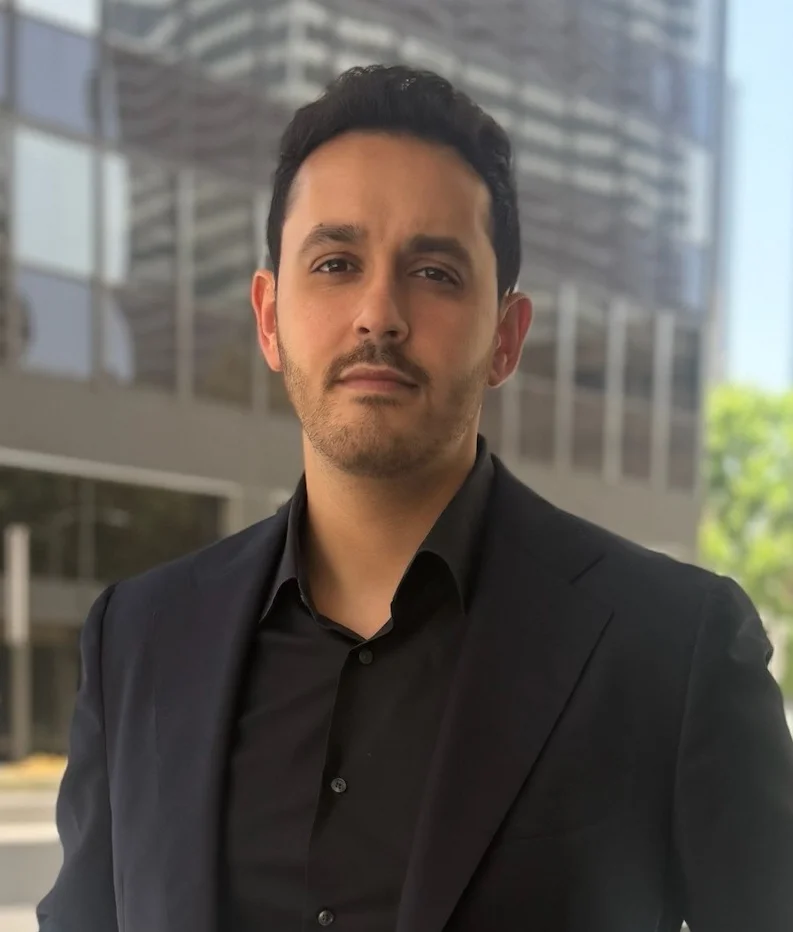 David M. Safvati
Founding Partner
David M. Safvati
Founding Partner
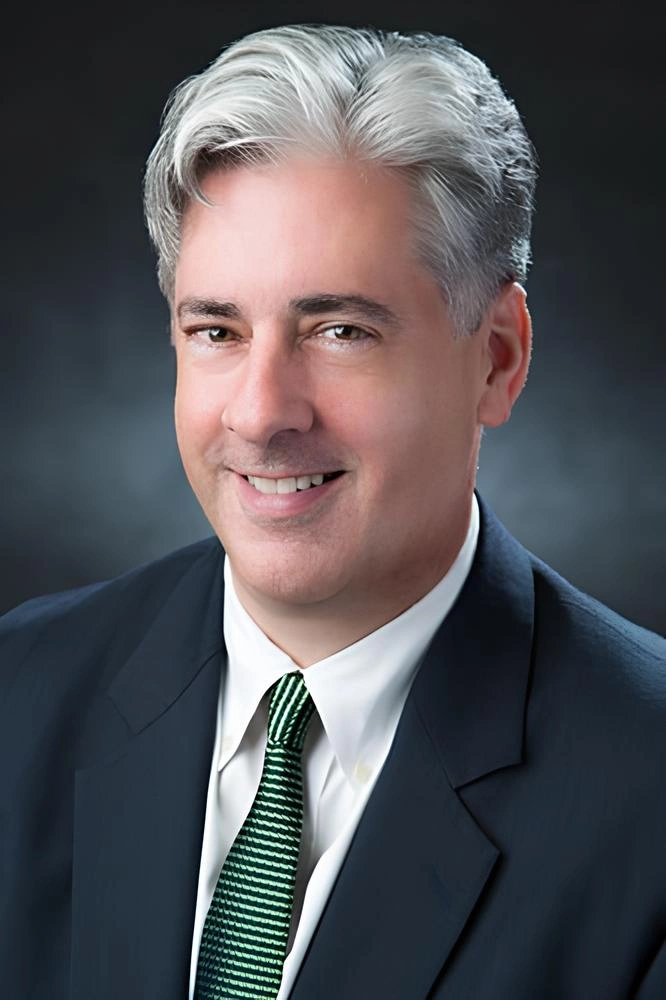 Paul S. Marks
Of Counsel
Paul S. Marks
Of Counsel
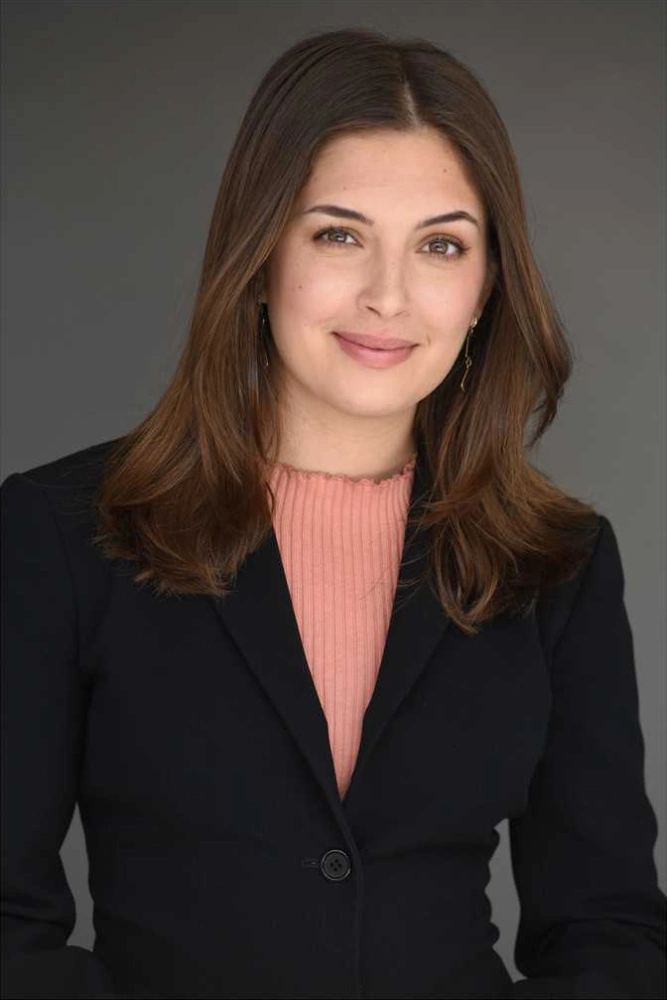 Taylor Markey
Of Counsel
Meet the Team →
Taylor Markey
Of Counsel
Meet the Team →

40+ Years Combined Experience
Top 100 Verdict in California (2024). A real trial law firm that fights for results.
Schedule a Consultation →
Free Case Evaluation
Our California attorneys offer free, confidential consultations.
Get a Free Evaluation →
We Prepare Every Case for Trial
That’s why insurance companies take us seriously — we prepare every case for trial.
View All Results →
Serving Employees Across California
Wherever you work in California, our attorneys can take your case.
Get a Free Evaluation →
Not Sure Where You Stand?
A free consultation is the fastest way to understand your options.
Talk to an Attorney →