Sabbath schedule swap refused
Worker requested a shift trade for Saturday or Sunday observance; supervisor said no without an undue-hardship analysis.
Employee-side representation for California workers denied religious accommodation, harassed because of faith, or pressured to abandon religious practice on the job. Free, confidential case review.
Statewide California representation. Westview Law PC handles religious discrimination cases for California employees in every county. Consultations are free and confidential.
California protects employees from discrimination based on religion and religious practice. The state statute is Gov. Code §12940, the Fair Employment and Housing Act (FEHA), which prohibits adverse employment action because of religious creed and requires reasonable accommodation under subdivision (l). The federal counterpart is Title VII, 42 U.S.C. §2000e et seq., which defines religion at section 2000e(j) and requires accommodation unless it imposes undue hardship.
This page is written for the California employee who was refused a schedule swap to observe a Sabbath or holy day, told to remove a head covering or visible religious symbol, denied a prayer break that other workers got for personal time, fired after requesting a religious accommodation, or harassed for the worker's faith or perceived faith. Westview Law PC represents California employees in FEHA and Title VII religious discrimination cases through the California Civil Rights Department (CRD), the Equal Employment Opportunity Commission (EEOC), and the courts.
California law on religious accommodation is more protective than federal law in two ways. First, FEHA defines undue hardship at Gov. Code §12926(u) as "significant difficulty or expense," the same standard ADA uses for disability accommodation. Federal law historically defined undue hardship at a much lower threshold ("de minimis" cost) under Trans World Airlines, Inc. v. Hardison (1977) 432 U.S. 63. The U.S. Supreme Court raised the federal standard to "substantial increased costs" in Groff v. DeJoy (2023) 600 U.S. 447, narrowing the gap but not closing it. Second, FEHA's Workplace Religious Freedom Act amendments at Gov. Code section 12926(q) treat religious dress and grooming as a protected religious practice that the employer must accommodate.
The McDonnell Douglas Corp. v. Green (1973) 411 U.S. 792 framework applies, as adopted by Guz v. Bechtel National, Inc. (2000) 24 Cal.4th 317. The employee shows: (1) sincerely held religious belief or practice; (2) qualified for the position; (3) adverse employment action; and (4) circumstances suggesting religion was a substantial motivating factor. FEHA causation under Harris v. City of Santa Monica (2013) 56 Cal.4th 203 asks whether religion was a substantial motivating factor in the decision.
FEHA section 12940(l) imposes a duty on the employer to engage in a timely, good-faith interactive process and to provide a reasonable accommodation for religious belief or practice, absent undue hardship. The employer must engage when it has notice of the religious need; the worker does not have to use magic words like "accommodation request." A request for a schedule swap because of Sabbath observance, or for Eid, Yom Kippur, or another holy day, puts the employer on notice. The interactive-process duty parallels the ADA framework recognized in Scotch v. Art Inst. of Cal. (2009) 173 Cal.App.4th 986.
FEHA undue hardship at Gov. Code section 12926(u) means "significant difficulty or expense," with multiple statutory factors: nature and cost of the accommodation, financial resources of the facility, type of operations, and impact on operations. Title VII undue hardship under Hardison historically meant "anything more than de minimis cost." Groff v. DeJoy (2023) 600 U.S. 447 raised the federal standard to "substantial increased costs in relation to the conduct of the employer's particular business." The FEHA standard remains higher than the post-Groff Title VII standard, which means California employees often have a stronger accommodation claim in state court.
The California WRFA amendments at Gov. Code section 12926(q) define religious creed to include the wearing of religious clothing and the observance of religious grooming practices. An employer that requires removal of a hijab, kippah, turban, religious necklace, or other visible religious item must engage in the interactive process and show undue hardship before enforcing the policy. Segregating the worker from public view to "hide" the religious practice does not count as a reasonable accommodation under FEHA.
CRD charge: three years from the last unlawful act under Gov. Code §12960(e). Civil suit: one year from the right-to-sue letter under Gov. Code §12965(c)(1)(C). EEOC Title VII charge: 300 days from the unlawful act in California.
Worker requested a shift trade for Saturday or Sunday observance; supervisor said no without an undue-hardship analysis.
Hijab, kippah, turban, or other religious head covering ordered removed under a uniform policy.
Five-minute prayer break refused while other workers take breaks of similar length for smoking or personal time.
Supervisor or co-workers ridicule observance of Eid, Yom Kippur, Diwali, or Christmas-adjacent practices.
Sikh or Muslim employee told to shave a religiously required beard for "professional appearance."
Cross, Star of David, or other religious item ordered hidden under a "no jewelry" policy applied selectively.
Employer-sponsored prayer, faith-based meetings, or religious training mandated as part of the job.
Overtime assignment in violation of an established religious schedule the worker disclosed at hire.
Worker disclosed faith and was moved to a back-of-house role away from customers.
Visibly religious worker refused hire for a public-facing position with no business-necessity justification.
Schedule cuts, isolation, or write-ups within weeks of asking for a religious schedule swap.
Employer rejected an accommodation request outright with no good-faith dialogue.
Firing in which religion was a substantial motivating factor.
Applicant rejected because of religious dress, grooming, or known faith.
Refusal to engage in the interactive process or to provide a reasonable accommodation absent undue hardship.
Severe or pervasive religious harassment from supervisors or co-workers.
Mandatory employer-led religious activity as a term of employment.
Application of a uniform or grooming policy that conflicts with religious practice, in violation of Gov. Code section 12926(q).
Refusal to allow a schedule change for religious observance.
"Accommodation" by moving the worker out of public view, which FEHA does not recognize as reasonable.
Adverse action after the worker complained about religious treatment or requested an accommodation, prohibited by section 12940(h).
FEHA liability under section 12940(a) and (l). Title VII liability for employers with 15 or more employees.
Individual harassment liability under section 12940(j); aiding and abetting under section 12940(i).
Aiding-and-abetting exposure when HR denied or stalled an accommodation request.
Integrated-enterprise liability where corporate separateness fails.
Joint employer responsibility for placement and worksite enforcement.
FEHA reaches a person using the services of one or more employees.
Where the acquirer continued the policy or practice that produced the violation.
Religious associations and certain ministerial-exception employers may have limited FEHA exemptions under Gov. Code section 12926.2 and the First Amendment ministerial doctrine.
Back pay from the unlawful action through judgment, plus front pay where reinstatement is not feasible. Mitigation duty applies. Schedule-based cases include the value of lost hours, missed overtime, and the wage gap if reassignment cut pay.
Emotional-distress damages without a statutory cap under FEHA. Punitive damages available where the employer acted with malice, oppression, or fraud under Civ. Code section 3294 and a managing agent ratified the conduct. Title VII has compensatory and punitive caps tied to employer size under 42 U.S.C. section 1981a; FEHA does not.
Recoverable to the prevailing FEHA plaintiff under Gov. Code §12965(c)(6). Title VII fee shifting under 42 U.S.C. section 2000e-5(k).
Specific past results in this practice area are confidential and discussed in consultation. Recovery in a religious discrimination case tracks the lost wages, the strength of the emotional-distress evidence, and whether punitive damages are in play.
Westview Law PC verified flagship outcomes include a $146M jury verdict (commercial), an $11.4M judgment (real estate fraud), and a $3.2M jury verdict (breach of contract, Top 100 CA Verdicts 2024). See the full firm record.
Past results do not guarantee future outcomes. Each case depends on its specific facts.
CRD charge: three years from the last unlawful act under Gov. Code section 12960(e). After the right-to-sue letter, one year to file in superior court under Gov. Code section 12965(c)(1)(C). EEOC charge for Title VII: 300 days from the unlawful act in California. After EEOC right-to-sue, 90 days to file in federal court under 42 U.S.C. section 2000e-5(f)(1). Missing any deadline ends the claim. For an ongoing accommodation denial, each refusal can be a separate unlawful act, but counsel should not rely on that without analysis of the timeline.
The California Civil Rights Department (CRD), formerly the Department of Fair Employment and Housing (DFEH), is the state agency that processes FEHA charges. CRD operates regional offices in Oakland, Fresno, Los Angeles, San Bernardino, and San Diego, plus a statewide intake line. After CRD issues the right-to-sue letter, the case goes to California superior court for the county where the unlawful act occurred or where the employee resides.
The Equal Employment Opportunity Commission (EEOC) handles Title VII charges with work-sharing into CRD. After EEOC issues the notice of right to sue, the case can be filed in one of four federal district courts in California: the Northern District of California, the Eastern District of California, the Central District of California, or the Southern District of California. California plaintiffs generally keep accommodation cases in state court under FEHA because of the higher undue-hardship threshold under Gov. Code section 12926(u), the WRFA dress-and-grooming protections at section 12926(q), and the uncapped damages.
The interactive process is a duty, not a courtesy. An employer that refused to engage with your accommodation request is on the wrong side of FEHA. Document the request, the response, and the timeline.
Call (310) 906-4862 Open the consultation formThe CRD intake portal accepts self-filed charges. A right-to-sue letter will issue and the civil-court window will open. The harder calls come after: which forum, how to plead the FEHA accommodation claim alongside Title VII, how to attack a uniform or grooming policy under the WRFA standard, how to respond to a religious-employer defense or ministerial-exception argument. Religious accommodation cases turn on the documentary record of the request, the response, and the employer's prior practice with comparable schedule swaps or dress exceptions. A general-practice attorney can file the complaint; whether the file survives summary judgment on the interactive-process analysis depends on how the timeline is built. If the accommodation request is in writing and the denial is in writing, the case may be straightforward. If the dialogue happened verbally and the employer disputes what was said, the case becomes harder.
FEHA defines religious creed broadly. Traditional faiths (Judaism, Christianity, Islam, Hinduism, Buddhism, Sikhism, and others) qualify, as do non-traditional and minority religions. Sincerely held religious beliefs that occupy a place in the worker's life parallel to that filled by traditional religion qualify even where the faith has few adherents. The Workplace Religious Freedom Act amendments at Gov. Code section 12926(q) extend the definition to include religious dress and grooming practices.
No. The employer must engage in a good-faith interactive process and provide a reasonable accommodation absent undue hardship. The accommodation does not have to be the one the worker prefers, but it must be effective. A schedule swap, a shift change, a uniform exception, a break-time adjustment, or a re-routing of duties can all be reasonable accommodations. Segregating the worker out of public view or telling the worker to use unpaid leave to handle the conflict typically does not qualify as reasonable.
"Significant difficulty or expense" under Gov. Code section 12926(u). The factors include the nature and cost of the accommodation, the financial resources of the facility, the type of operations, and the impact on operations. The standard is the same one FEHA uses for disability accommodation. It is higher than the post-Groff v. DeJoy Title VII standard of "substantial increased costs." For California employees, FEHA is usually the stronger claim.
Generally no. Gov. Code section 12926(q) treats religious dress as a protected practice that the employer must accommodate. A uniform policy that conflicts with religious dress must yield unless the employer can show undue hardship under section 12926(u). Segregation away from customers is not a reasonable accommodation under FEHA, even if the federal Title VII reading historically allowed it.
Refusal to engage in the interactive process is itself a FEHA violation under section 12940(n), separate from the failure to provide a reasonable accommodation under section 12940(l). The employee can recover for both. The interactive-process duty is timely and good-faith; a stalling employer that lets weeks pass without engaging meets neither.
No. An employer cannot require participation in employer-led religious activity as a term of employment. Mandatory prayer meetings, faith-based training, or religious-themed company events violate FEHA where the worker objects on religious or non-religious grounds and the participation is conditioned on the job. Attendance at strictly voluntary religious gatherings that the worker can decline without consequence is different.
Probably not under FEHA. Mere inconvenience to co-workers is not "significant difficulty or expense" under section 12926(u). The employer must show real operational impact, not just that the swap would require effort. If similar swaps are routinely granted for personal reasons (family commitments, vacation conflicts), denying the religious swap likely fails the analysis. Comparator evidence drives this kind of case.
The grooming-policy enforcement triggers the accommodation duty. A Sikh worker required to maintain a beard, a Muslim worker observing similar practice, or any worker whose faith requires facial hair has a presumptive religious-practice claim under section 12926(q). The employer must engage in the interactive process and show undue hardship before enforcement. Safety-equipment fit issues sometimes support undue hardship, but only after good-faith analysis of alternatives.
Yes. Dual-filing is standard. CRD and EEOC have a work-sharing agreement, so one charge usually counts for both. The civil action can plead Title VII and FEHA causes of action. Plaintiffs often keep the case in California superior court because of FEHA's higher undue-hardship standard, the WRFA dress-and-grooming protections, and the uncapped damages.
California's FEHA includes a limited exemption for nonprofit religious associations at Gov. Code section 12926.2. The First Amendment ministerial exception (recognized in Hosanna-Tabor Evangelical Lutheran Church & Sch. v. EEOC (2012) 565 U.S. 171 and expanded in Our Lady of Guadalupe Sch. v. Morrissey-Berru (2020) 591 U.S. 732) bars certain discrimination claims by employees performing ministerial functions. The exemption is narrower than employers often argue. Lay administrative staff, custodial workers, and non-ministerial employees generally retain FEHA protection. Counsel can assess whether the exception applies to a particular role.
Three years from the last unlawful act to file a CRD charge under Gov. Code section 12960(e). One year from the CRD right-to-sue letter to file in superior court under Gov. Code section 12965(c)(1)(C). EEOC charge for Title VII: 300 days. After EEOC right-to-sue, 90 days to file in federal court under 42 U.S.C. section 2000e-5(f)(1). For an ongoing accommodation refusal, each refusal can be a separate unlawful act, but the timeline analysis is fact-specific.
Recovery tracks the lost wages, the emotional-distress evidence, and whether punitive damages are available. Lost wages cover the period from termination through judgment, plus front pay where reinstatement is not feasible. FEHA emotional distress has no statutory cap; Title VII does (caps run from 50,000 to 300,000 dollars by employer size under 42 U.S.C. section 1981a). Punitive damages require malice, oppression, or fraud and a managing agent under Civ. Code section 3294. Attorney's fees flow to the prevailing plaintiff under Gov. Code section 12965(c)(6).
David M. Safvati is a California-licensed employment lawyer at Westview Law PC. The practice focuses on FEHA accommodation cases (religious and disability) and the broader discrimination docket. Education: Loyola Law School, J.D. Bar admissions: State Bar of California, admitted 2019; U.S. District Court for the Central District of California; U.S. District Court for the Northern District of California; U.S. District Court for the Eastern District of California; U.S. District Court for the Southern District of California. CA Bar #326605 (verify on calbar.ca.gov). Member, California Employment Lawyers Association. Speaks on the FEHA interactive-process duty and on the practical impact of Groff v. DeJoy for California religious-accommodation claims.
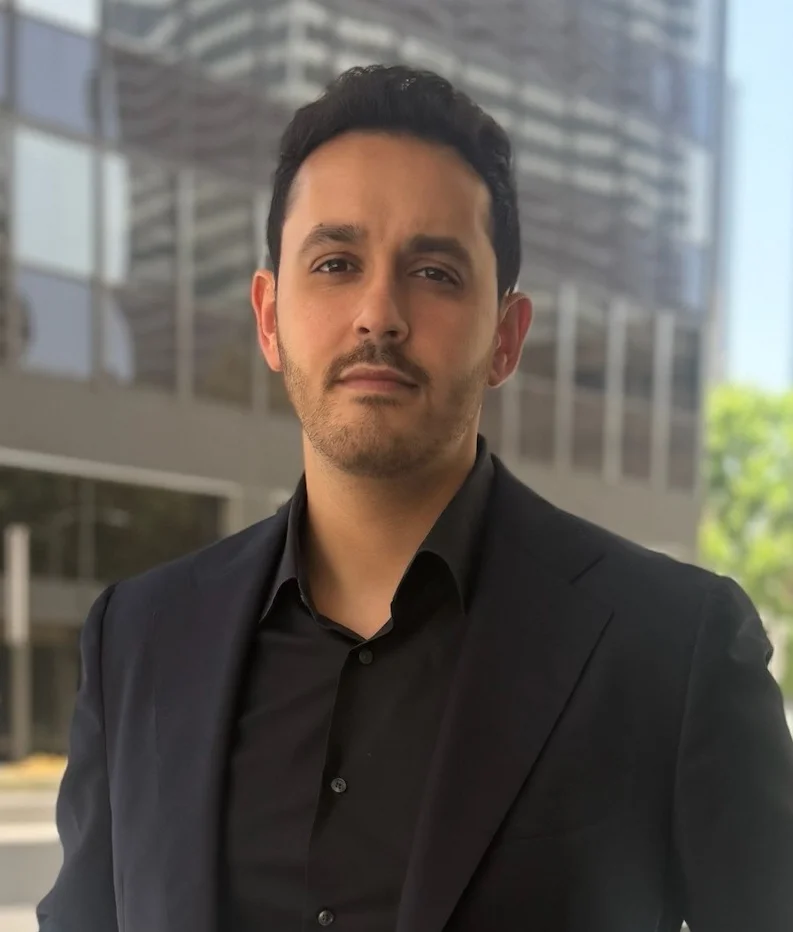 David M. Safvati
Founding Partner
David M. Safvati
Founding Partner
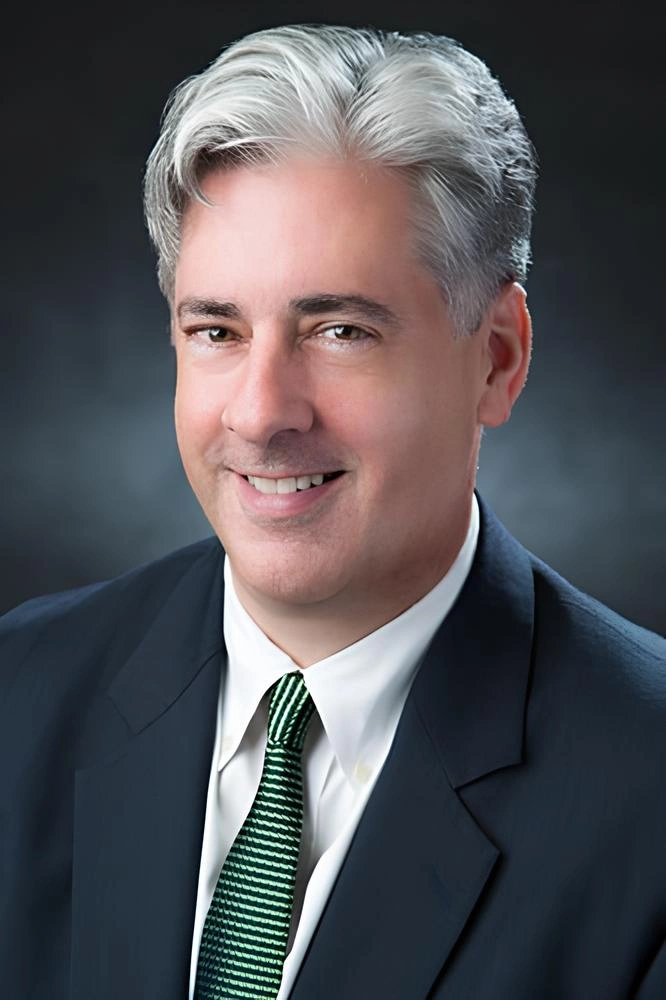 Paul S. Marks
Of Counsel
Paul S. Marks
Of Counsel
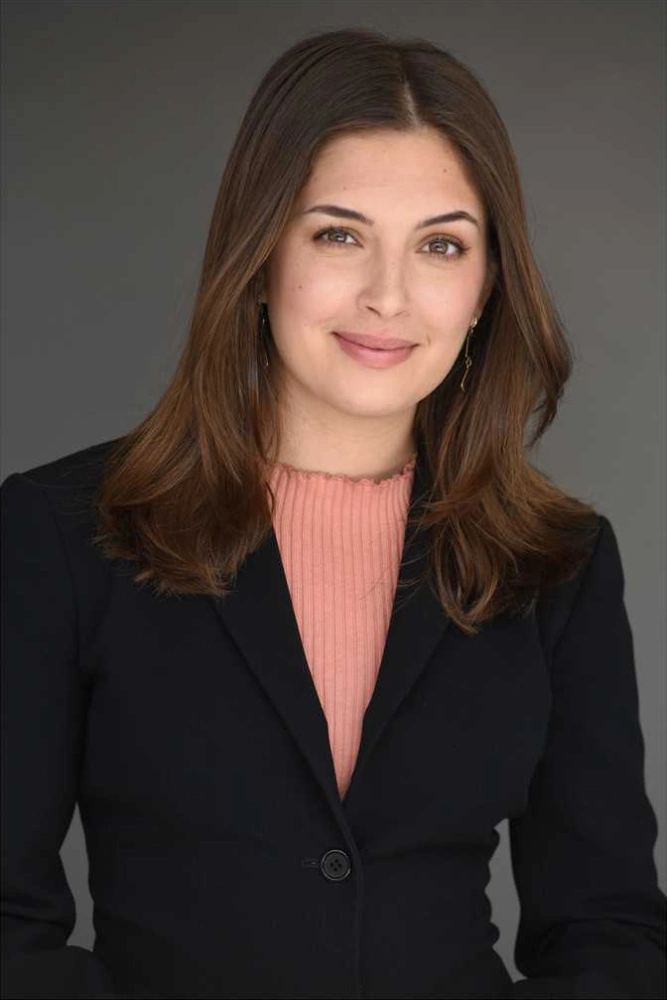 Taylor Markey
Of Counsel
Meet the Team →
Taylor Markey
Of Counsel
Meet the Team →

40+ Years Combined Experience
Top 100 Verdict in California (2024). A real trial law firm that fights for results.
Schedule a Consultation →
Free Case Evaluation
Our California attorneys offer free, confidential consultations.
Get a Free Evaluation →
We Prepare Every Case for Trial
That’s why insurance companies take us seriously — we prepare every case for trial.
View All Results →
Serving Employees Across California
Wherever you work in California, our attorneys can take your case.
Get a Free Evaluation →
Not Sure Where You Stand?
A free consultation is the fastest way to understand your options.
Talk to an Attorney →