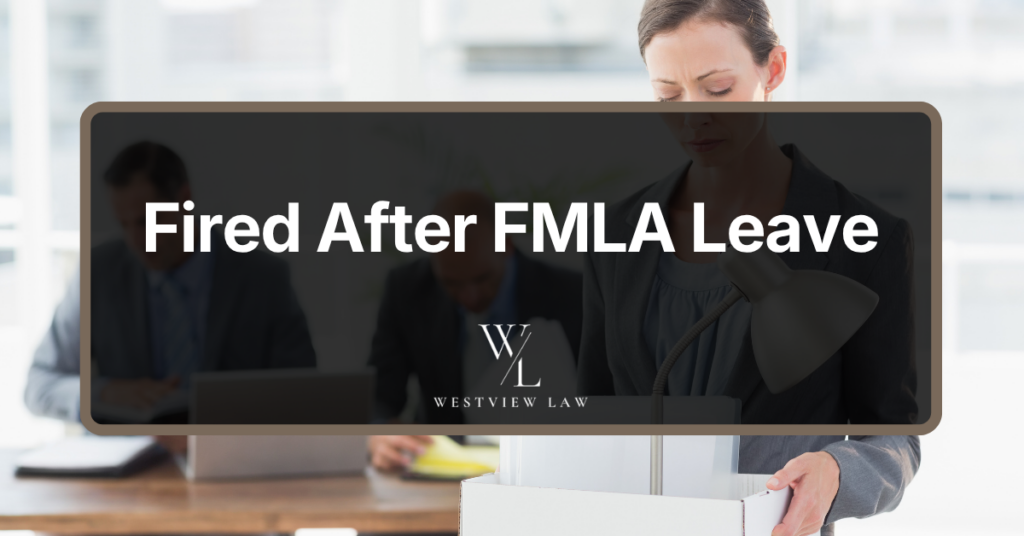
Misclassified assistant manager
Salaried role with primary duty as a working register clerk, not actual supervision.
Plaintiff-side counsel for unpaid overtime, double-time, missed premiums, and misclassification claims under the California Labor Code and IWC Wage Orders.
Statewide California representation. Westview Law PC handles overtime and wage claims for employees from the Oregon border to San Ysidro. Consultations are free and confidential.
California overtime law starts with Lab. Code §510. The rule has three layers stacked on each other. Time worked over 8 hours in a workday, or over 40 hours in a workweek, pays at 1.5x the regular rate. Time over 12 hours in a workday pays at 2x. The first 8 hours on the seventh consecutive day of work in any workweek pay at 1.5x, and anything past 8 hours on that seventh day pays at 2x. The IWC Wage Orders (16 industry-specific orders plus the general Order) supply definitions, exemptions, and recordkeeping detail that the Labor Code does not.
This page is written for the employee who has run the math on a paystub and found the numbers do not add up. Westview Law PC represents non-exempt workers, misclassified independent contractors, misclassified salaried "managers," and salaried employees whose duties never matched the exemption their job title claimed. Recovery runs through Lab. Code §1194, which gives an unpaid-overtime employee the right to sue for the wages, the interest, and attorney's fees. Section 1194 fees are one-sided in favor of the employee. The employer cannot recover fees if it wins.
The line between exempt and non-exempt is not the job title or the salary stub. It is the duties test under the Wage Orders combined with the salary-basis test. Both must be satisfied. An assistant manager who spends 80% of her shift running a register is non-exempt regardless of what the offer letter says. Westview Law builds the duties record through deposition, payroll data, and witness work.
California is one of a handful of states that pays daily overtime. Federal FLSA pays weekly only. A 50-hour week worked as five 10-hour days owes 10 hours of California overtime even where the FLSA owes 10 hours of overtime as well. The employee gets the more generous rule.
Section 510(a) requires 2x pay for hours over 12 in a workday and for hours over 8 on the seventh consecutive day of work. Many California payroll systems do not track double-time accurately, especially for hourly workers with shift-differential pay built in.
The regular rate includes non-discretionary bonuses, shift differentials, commission, and certain incentive pay. Lab. Code §515 sets the framework. Under Alvarado v. Dart Container Corp. of California (2018) 4 Cal.5th 542, flat-sum bonuses are spread across straight-time hours only, raising the overtime multiplier.
To qualify as exempt under the executive, administrative, or professional Wage Order tests, the employee must earn a monthly salary of at least 2x the state minimum wage for a 40-hour workweek. At California's 2026 minimum wage of $17.00, the exempt salary floor is $70,720 per year. Below that, the exemption fails regardless of duties.
Under Naranjo v. Spectrum Security Services, Inc. (2022) 13 Cal.5th 93, the one-hour premium for a missed meal or rest period is "wages" for purposes of Lab. Code §203 (waiting-time penalties) and §226 (wage statements). That ruling stacks additional penalties on top of the underlying premium when separation occurs or paystubs are deficient.
Lab. Code §226 requires nine specific items on every paystub: gross wages, total hours worked (for non-exempt), piece-rate units, all deductions, net wages, dates of the pay period, employee's name and last four of SSN, employer's name and address, and the rates and hours at each rate. A missing item triggers up to $4,000 per employee in penalties.
Salaried role with primary duty as a working register clerk, not actual supervision.
1099 worker whose schedule and tools are controlled by the company. ABC test under Dynamex Operations West, Inc. v. Superior Court (2018) 4 Cal.5th 903 and AB 5.
Required uniform changes, equipment startup, or security screening before clock-in.
Payroll system deducts a 30-minute lunch the employee never took.
Production bonus not factored into the regular rate, underpaying overtime.
Crew worked through Sunday on a Saturday-start cycle; payroll missed the 1.5x.
14-hour shift paid as 6 hours at 1.5x rather than 4 hours at 1.5x plus 2 hours at 2x.
Inside-sales rep paid commission below the 1.5x minimum-wage floor required by Lab. Code §204.1.
Help-desk technician treated as exempt under Lab. Code §515.5; duties do not match.
Local route driver treated as independent contractor; AB 5 ABC test controls.
Banquet service charges withheld in violation of Lab. Code §351.
Paystubs missing total hours worked, rates, or employer legal name.
Daily, weekly, or seventh-day premiums missed.
Salaried non-management roles treated as exempt.
Workers under company control treated as contractors.
Bonuses or commissions excluded from the OT multiplier.
Required pre or post-shift duties uncompensated.
Premium paid at base only when regular rate is higher.
Section 226(a) items missing.
Final pay not delivered per Lab. Code section 201 (immediate) or section 202 (72 hours).
Tips or service charges retained by management.
The entity that issues the W-2 or the 1099.
Personal liability under Lab. Code §558.1.
Where the violation is policy-driven.
Joint-employer liability with the client employer.
Lab. Code §2810.3 joint liability.
Asset purchasers inheriting wage liability.
Joint employment under Patterson v. Domino's Pizza, LLC (2014) 60 Cal.4th 474, fact-dependent.
Alter-ego liability where corporate separateness is a fiction.
Unpaid overtime at the correct multiplier, plus interest at 10% under Lab. Code §218.6. Lab. Code §203 waiting-time penalties (up to 30 days of wages) when the employee separates with unpaid wages.
Section 226(e) wage-statement penalties up to $4,000 per employee. PAGA penalties under Lab. Code §2699 (75% to the LWDA, 25% to aggrieved employees). Liquidated damages on minimum-wage underpayment under Lab. Code §1194.2.
Recoverable to the prevailing employee under Lab. Code §1194 (overtime, minimum wage), §218.5 (general wage), and §226(e) (wage statement). Fee-shifting is one-sided for the employee in section 1194 actions.
Specific past results in wage-and-hour matters are confidential and reviewed with you during consultation. Verified flagship firm outcomes include:
See the full firm record for additional results.
Past results do not guarantee future outcomes. Each case depends on its specific facts.
Unpaid wage recovery runs three years under CCP §338(a). UCL (Bus. & Prof. Code §17200) layered claims extend the look-back to four years. Wage-statement penalties under §226(e) run one year. PAGA penalties run one year from the most recent violation with 65-day LWDA tolling. FLSA federal overtime claims run two years (three if willful) under 29 U.S.C. §255(a). Each clock can be the one that ends the case. Counsel can run them in parallel and pick the forum that fits.
The California Division of Labor Standards Enforcement (DLSE), inside the Department of Industrial Relations, runs the Berman wage-claim process at offices statewide. The DLSE process is informal, no filing fee, and a decision is appealable by either side to the superior court for trial de novo. Solo overtime claims of modest size often start here.
Class actions, PAGA representative actions, and any case that ties wage violations to retaliation start in superior court. Federal forum is available when an FLSA overlay is the dominant theory. The choice between state and federal court is strategic. State court rules give plaintiffs better class-certification posture under Brinker Restaurant Corp. v. Superior Court (2012) 53 Cal.4th 1004 than the federal FLSA collective-action standard. The U.S. District Court for the Northern, Central, Eastern, or Southern District of California takes the federal version, depending on residency and place of employment.
A DLSE Berman claim for unpaid overtime is filable without counsel. The process is informal, designed to be accessible, and the Labor Commissioner's staff will walk a claimant through the forms. The trade-off is that the DLSE record does not develop the full §226, §203, and PAGA stack that often doubles or triples the recovery. A general-practice lawyer can file in superior court but may not have the payroll-data fluency that wage litigation needs. Pick the forum that fits the case. If the dispute is straightforward and small, the DLSE works. If the violation is firm-wide or the employer is contesting classification, the civil track with wage-and-hour counsel is the better path.
Two triggers. Hours over 8 in a workday, or hours over 40 in a workweek, pay at 1.5x. Hours over 12 in a workday pay at 2x. The first 8 hours on the seventh consecutive day worked in a workweek pay at 1.5x, and anything past 8 on that seventh day pays at 2x. The daily rule is what separates California from federal FLSA, which is weekly-only. Whichever rule gives the employee more, controls.
No. Salary by itself does not exempt the employee from overtime. The exemption requires both a salary basis (at least 2x the state minimum wage for a 40-hour week, $70,720 per year at the 2026 minimum) and a duties test under the relevant IWC Wage Order. If primary duties do not match the executive, administrative, or professional test, the salary label fails and the employee is owed overtime.
The regular rate is the divisor used to compute overtime. It includes the hourly base, plus non-discretionary bonuses, plus shift differentials, plus commissions, allocated across hours worked in the relevant period. Under Alvarado v. Dart Container Corp. of California (2018) 4 Cal.5th 542, flat-sum bonuses are divided by straight-time hours only, increasing the multiplier. The employer cannot exclude bonuses tied to attendance, production, or quality.
Lab. Code section 510(a) requires premium pay for hours worked on the seventh consecutive day of a workweek. The first 8 hours pay at 1.5x, and anything past 8 hours pays at 2x. The seventh-day rule does not apply to alternative workweek schedules properly adopted under Lab. Code section 511, and it does not apply across workweeks. Counting starts fresh each workweek.
Often yes. AB 5 codified the ABC test from Dynamex Operations West, Inc. v. Superior Court (2018) 4 Cal.5th 903 in Lab. Code section 2775. The employer must prove all three prongs to maintain 1099 classification: A) freedom from control and direction, B) work outside the usual course of the business, and C) customarily engaged in an independent trade. Most 1099 arrangements fail prong B or prong C. Reclassification means three or four years of back overtime, plus penalties, plus the misclassification penalty under Lab. Code section 226.8.
No. Auto-deducted meal periods are a familiar payroll trap. The employer must actually relieve the employee for the full 30-minute period. Under Donohue v. AMN Services, LLC (2021) 11 Cal.5th 58, time-clock records that round meal-period times are presumptively unlawful. An auto-deduction without a real break violates section 226.7 and section 512.
The Private Attorneys General Act, Lab. Code section 2698 et seq., allows an aggrieved employee to sue on behalf of the State of California and other aggrieved employees for civil penalties on Labor Code violations. The employee gets 25% of recovered penalties, 75% goes to the LWDA. PAGA is not a class action; it does not require class certification. After the 2024 PAGA reform, penalties scale to the size of the employer and the severity of the violation, and good-faith compliance defenses are available.
Lab. Code section 226(a) requires nine specific items on every pay stub. Section 226(e) sets penalties at $50 for the first non-compliant pay period and $100 per pay period after that, capped at $4,000 per employee, plus attorney's fees. The penalty can apply even when the employee was paid every dollar owed, if the paystub itself was non-compliant. After Naranjo v. Spectrum Security Services, Inc. (2022) 13 Cal.5th 93, missed meal and rest premiums must appear on the paystub.
Lab. Code section 202 requires final wages within 72 hours of resignation, or immediately if 72 hours of notice was given. If the employer fails, Lab. Code section 203 waiting-time penalties equal to the employee's daily wage accrue for up to 30 days. A three-week delay typically means full 30 days of waiting-time penalty, even if the underlying unpaid amount is small.
Lab. Code section 1194 claims for unpaid overtime run three years under CCP section 338(a). A Bus. & Prof. Code section 17200 unfair-competition overlay extends the recovery window to four years. PAGA penalties run one year. Federal FLSA overtime runs two years, three if willful. Counsel typically pleads the longest applicable period and lets the court sort the overlap.
Yes. Naranjo v. Spectrum Security Services, Inc. (2022) 13 Cal.5th 93 held that the one-hour premium under Lab. Code section 226.7 for a missed meal or rest period is wages, not a penalty. That ruling means missed premiums trigger section 226 wage-statement liability and section 203 waiting-time penalties on top of the underlying premium amount. The stack often doubles or triples the apparent value of a meal and rest case.
A demand letter is a strategic choice, not a requirement. Many wage cases skip the demand and file the DLSE claim or the civil complaint directly, especially where retaliation is a concern. A PAGA notice is filed with the LWDA before any civil PAGA penalties are sought, and the employer is served at that stage. Retaliation for filing a wage claim is independently actionable under Lab. Code section 98.6.
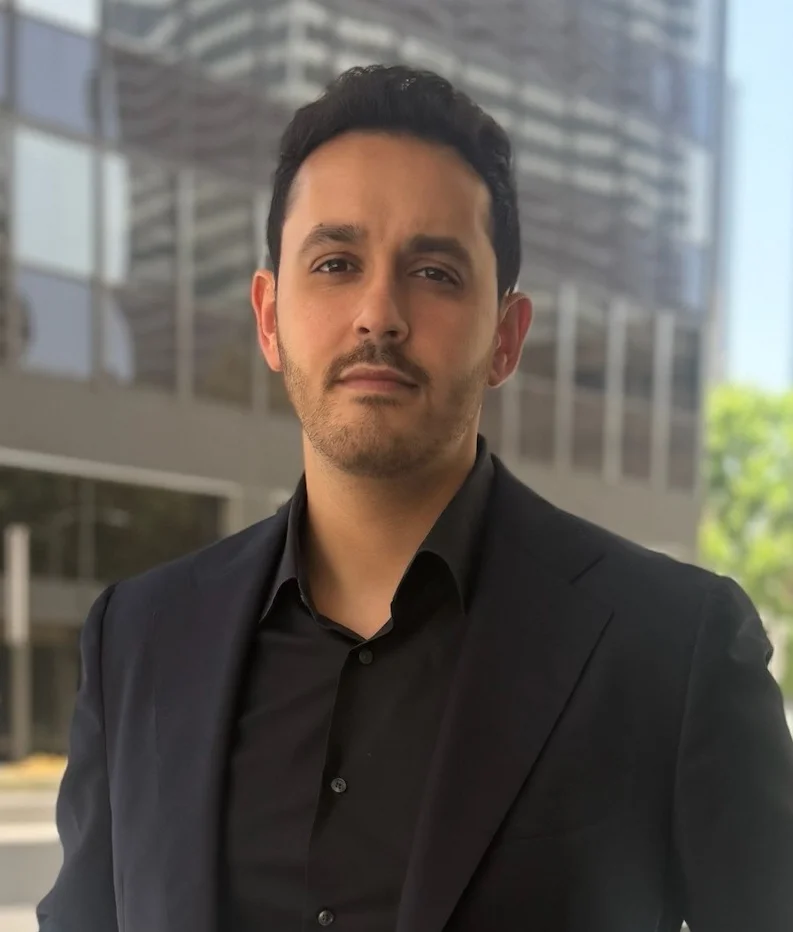
David M. Safvati is a California-licensed employment lawyer at Westview Law PC, with a wage-and-hour focus that runs from solo DLSE Berman claims to PAGA representative actions. Education: Loyola Law School, J.D. Bar admissions: State Bar of California, admitted 2019; U.S. District Court for the Central District of California; U.S. District Court for the Northern District of California. CA Bar #326605 (verify on calbar.ca.gov). Member, California Employment Lawyers Association and the State Bar Labor and Employment Section. Recent case work includes regular-rate litigation under Alvarado v. Dart Container Corp. of California (2018) 4 Cal.5th 542 and the post-Naranjo wage-statement application of meal and rest premiums.
These results and deep-dive articles connect to wage and hour claims.
David M. Safvati
Founding Partner
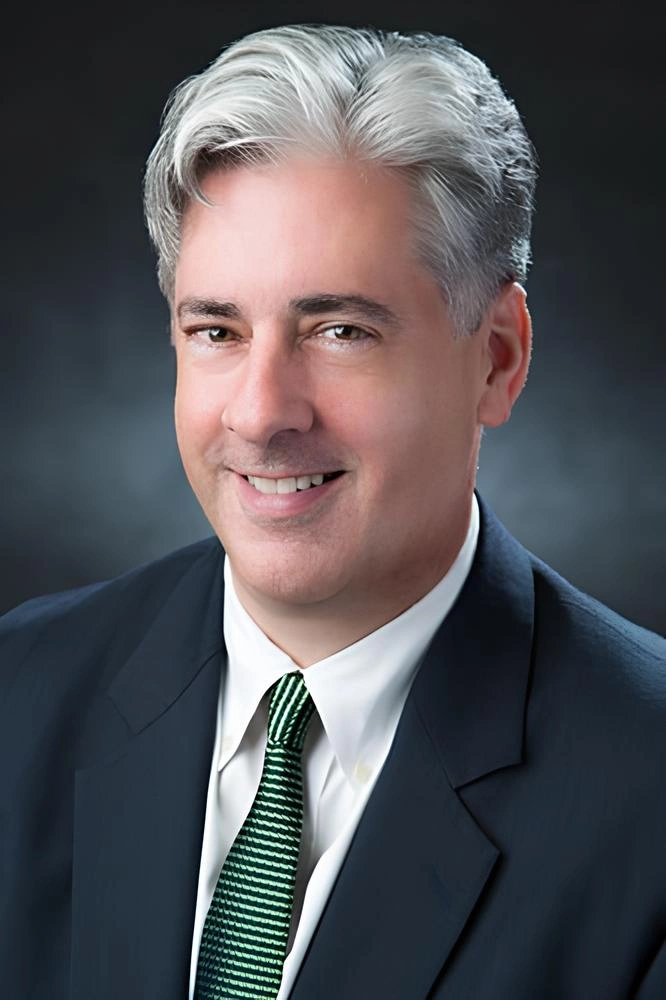 Paul S. Marks
Of Counsel
Paul S. Marks
Of Counsel
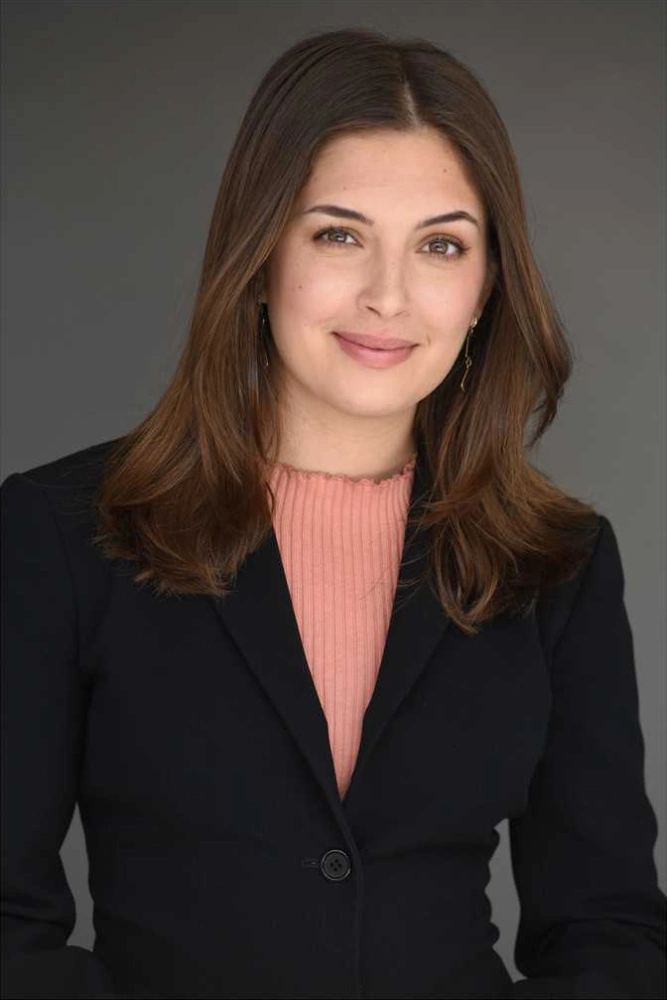 Taylor Markey
Of Counsel
Meet the Team →
Taylor Markey
Of Counsel
Meet the Team →

40+ Years Combined Experience
Top 100 Verdict in California (2024). A real trial law firm that fights for results.
Schedule a Consultation →Free Case Evaluation
Our California attorneys offer free, confidential consultations.
Get a Free Evaluation →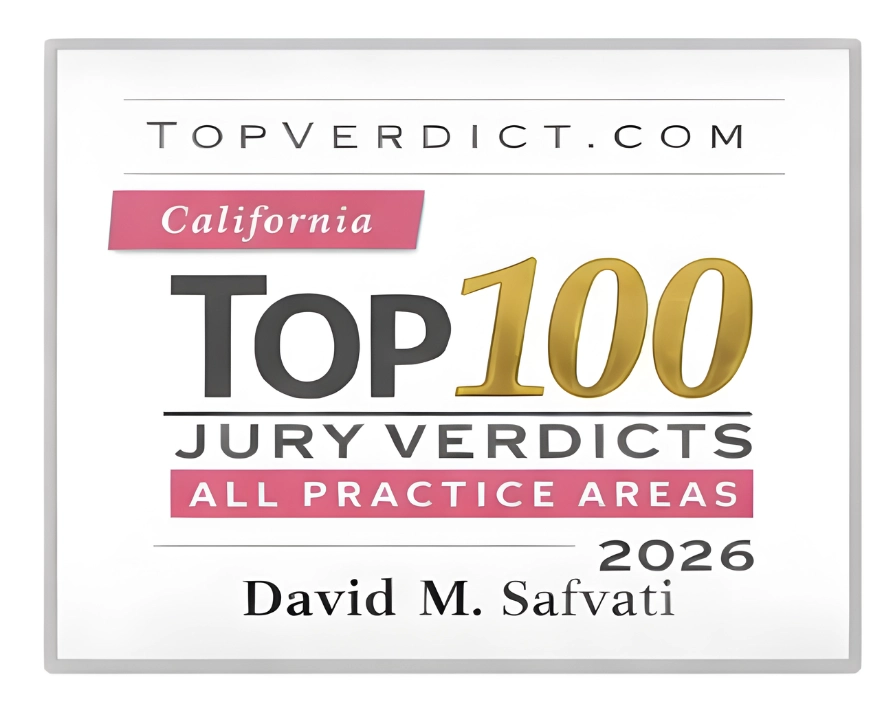
We Prepare Every Case for Trial
That’s why insurance companies take us seriously — we prepare every case for trial.
View All Results →
Serving Employees Across California
Wherever you work in California, our attorneys can take your case.
Get a Free Evaluation →
Not Sure Where You Stand?
A free consultation is the fastest way to understand your options.
Talk to an Attorney →