Wrongful termination
Firings that break FEHA, a public policy protected under Tameny, or an express or implied contract for continued employment.
Westview Law PC represents Oakland and East Bay employees in wrongful termination, harassment, discrimination, retaliation, and wage-hour claims under California and federal law, with cases filed at the René C. Davidson Courthouse and the Northern District of California.
Reviewed by David M. Safvati, Esq., California State Bar #326605 (verify) · Attorney Advertising
Westview Law PC handles employment cases for workers throughout Alameda County, including Oakland, Berkeley, Emeryville, Alameda, San Leandro, Hayward, and Fremont. Initial consultations are confidential. Most plaintiff-side employment matters are handled on a contingency-fee basis, meaning the client pays no attorney fee unless there is a recovery.
Oakland anchors the East Bay economy. The Port of Oakland is the third-largest container port on the West Coast, and the city also houses the headquarters of Kaiser Permanente, a substantial federal workforce, City of Oakland and Alameda County agencies, Children's Hospital Oakland, and a cluster of tech and biotech employers in Emeryville, Berkeley, and downtown. Cross-bay tech overflow from San Francisco and San Jose has pushed engineering, product, and operations roles into Oakland office space, which means many Oakland workers report to managers based in San Francisco or San Mateo County. California law applies to all of these employers regardless of where the corporate office sits.
The core California anti-discrimination and anti-harassment statute is the Fair Employment and Housing Act, codified at Government Code sections 12900 through 12996. Section 12940 lists the practices a covered employer cannot lawfully engage in, including discrimination, harassment, and retaliation based on race, sex, age, disability, pregnancy, national origin, religion, sexual orientation, gender identity, and other protected categories. See Gov. Code §12940. Federal law, principally Title VII of the Civil Rights Act, the Americans with Disabilities Act, and the Age Discrimination in Employment Act, runs in parallel, and an Oakland worker can usually pursue both tracks at once.
Westview Law PC is an employee-side California firm. The attorneys represent workers, not management. The pages on this site explain how Westview handles intake, agency filings with the California Civil Rights Department (CRD) and the federal Equal Employment Opportunity Commission (EEOC), pre-suit demand letters, written discovery, depositions, motion practice, mediation, and trial in the Alameda County Superior Court and the United States District Court for the Northern District of California.
Labor Code §2922 sets at-will employment as the default, and Oakland adds pay rules: under Measure FF (Municipal Code Chapter 5.92), work of two or more hours a week in the city earns $17.34 an hour in 2026 and an hour of sick leave per 30 worked. Hotels with 50 or more rooms owe more under Measure Z.
FEHA reaches employers with five or more employees, and harassment by employers of any size. Title VII starts at fifteen and defines disability more narrowly. Filing with both agencies keeps both sets of claims open.
Without direct evidence, discrimination is proved with the three-part test from McDonnell Douglas Corp. v. Green (1973) 411 U.S. 792, which California applies through Guz v. Bechtel National, Inc. (2000) 24 Cal.4th 317. First the employee's prima facie case, then the employer's stated reason, then proof the reason is pretext. That proof usually comes from how coworkers were treated and whether the employer's story shifted.
| Claim | Filing window | Authority |
|---|---|---|
| Charge filed with the CRD (FEHA) | Within 3 years of the last unlawful act | Gov. Code §12960(e) |
| Charge filed with the EEOC (Title VII, ADA, ADEA) | 300 days, since California has a state fair-employment agency | 42 U.S.C. §2000e-5(e)(1) |
| Lawsuit after a CRD right-to-sue | Within 1 year of the CRD notice | Gov. Code §12965 |
| Wrongful termination in violation of public policy | 2 years | Tameny v. Atlantic Richfield Co. (1980) 27 Cal.3d 167; CCP §335.1 |
| Labor Code wage claim | 3 years, or 4 as an unfair competition claim | Lab. Code §1194; B&P §17208 |
Firings that break FEHA, a public policy protected under Tameny, or an express or implied contract for continued employment.
Harassment in hospitals, transit yards, marine terminals, and tech offices, judged by whether it was severe or pervasive.
Whistleblower retaliation after a report to a supervisor or agency, barred by Lab. Code §1102.5. Public employees are covered too.
Denied accommodations and skipped interactive processes, under Gov. Code §12940(m), (n).
Pregnancy disability leave, lactation accommodation, and maternity-leave retaliation under Gov. Code §12945.
Discipline, pay, or promotions that track race, and hairstyle bias barred by the CROWN Act.
Quid pro quo demands and hostile environments; the employer is strictly liable when a supervisor is the harasser.
Workers 40 and older cut in tech and biotech layoffs or steered out of senior roles.
Accent discrimination, English-only rules without a business need, and threats tied to immigration status.
Refusals to adjust shifts for holy days or permit religious clothing or prayer.
Pay gaps by sex, race, or ethnicity for substantially similar work, under Lab. Code §1197.5.
Overtime under Lab. Code §510, pay under Oakland's $17.34 minimum, and hospitality service charges kept from staff.
A firing whose stated reason does not match the record, exposed at the pretext step of McDonnell Douglas.
Slurs, threats, or repeated demeaning treatment that make the job harder to do, as in Aguilar v. Avis Rent A Car (1999) 21 Cal.4th 121.
A supervisor linking a promotion, schedule, or job security to sexual favors.
A disability or religious accommodation request ignored, or options never discussed.
Project removal, a demotion, or a sudden bad review after a complaint, CRD charge, or whistleblower report.
Off-the-clock work, missed meal premiums, unreimbursed expenses under Lab. Code §2802, and Oakland sick leave that was earned but refused.
Port truck drivers, delivery workers, and tech contractors labeled independent when the ABC test says they are employees.
Time-and-a-half after 8 hours in a day or 40 in a week, and double time past 12 hours (Lab. Code §510).
CFRA, FMLA, or pregnancy disability leave denied or punished, including maternity-leave retaliation.
The entity that issued the W-2 is the main FEHA and Title VII defendant. In large health systems that is not always the name on the badge.
A supervisor who harasses can be sued personally under Gov. Code §12940(j)(3).
Personal harassment liability, and possible aiding-and-abetting claims for taking part in retaliation.
HR's failure to investigate, or a decision to bury a complaint, becomes evidence against the employer.
Coworker harassment becomes the employer's problem once it knew or should have known and did nothing.
Staffing firms placing workers at warehouses, terminals, and labs can be liable when they share control of pay or discipline.
Two companies can both be employers under FEHA. An Oakland worker who reports to a San Francisco parent through a local subsidiary may fit this pattern.
A company that buys the business and keeps operating it, aware of the claim, can inherit the liability.
Wages and benefits lost since the adverse action, plus future losses when reinstatement won't work. For tech workers that can include unvested equity; for public employees, lost retirement contributions.
Compensation for emotional harm. Punitive damages under Civ. Code §3294 are possible where malice, oppression, or fraud is shown by clear and convincing evidence.
Prevailing FEHA plaintiffs recover reasonable attorney's fees from the employer under Gov. Code §12965(c). City minimum-wage violations can also go to Oakland's Department of Workplace and Employment Standards.
Specific recovery figures in plaintiff-side employment matters are confidential and discussed in consultation under attorney-client privilege. Public verified flagship outcomes for Westview Law PC across the firm's practice are shown below.
See case results for the full firm record. Past results do not guarantee future outcomes. Each case depends on its specific facts.
Westview Law PC has one office, at 1880 Century Park East, Suite 1100, Los Angeles, CA 90067. The firm does not maintain a separate location in Oakland, and we want clients to have that fact in front of them before they call. What the firm does have is a California bar license that covers every county in the state, and a regular practice in Alameda County matters filed at the Alameda County Superior Court, Rene C. Davidson Courthouse (1225 Fallon Street, Oakland, CA 94612) and in the U.S. District Court for the Northern District of California, Oakland Division (Ronald V. Dellums Federal Building, 1301 Clay Street, Oakland, CA 94612). Initial consultations are conducted by phone or video, and in-person meetings happen at the Century City office or at a Oakland-area location when the case requires it. Call (310) 906-4862 to start a case review.
What Oakland looks like for us in practice. Oakland's Fair Workweek-style local ordinances are limited, but the city's minimum wage and paid-sick-leave law (Municipal Code Chapter 5.92, adopted as Measure FF) and the Measure Z hotel-worker ordinance add a layer on top of state law. Port and logistics misclassification under Lab. Code §2775 is common, and Kaiser whistleblower retaliation cases under Health & Safety Code §1278.5 are a recurring pattern. The Rene C. Davidson Courthouse is at 1225 Fallon Street near Lake Merritt, with BART access at the Lake Merritt and 12th Street stations.
An attorney's view of the Oakland mix. In our practice out of Alameda County Superior Court, the most frequent Oakland claim is FEHA retaliation after a protected disclosure, often in healthcare or city government. We also see a steady flow of port and logistics misclassification matters. What Oakland clients often misunderstand is that even when their Kaiser claim sounds like a hospital case, the proper FEHA defendant is the Kaiser entity that issued the W-2, which is sometimes a different corporate entity than the one their badge said.
Where federal and state enforcement sits. Federal claims under Title VII, the ADA, and the ADEA are administered by the U.S. Equal Employment Opportunity Commission, and California state-law claims under FEHA, the Labor Code, and the Cal-WARN Act run through the California Civil Rights Department and the California Labor Commissioner, with the California Attorney General's office taking some pattern-and-practice and PAGA-related matters. Civil filings for Alameda County residents proceed at the Alameda County Superior Court, Rene C. Davidson Courthouse.
Most FEHA, Tameny, and Labor Code civil actions for Oakland and East Bay employees are filed at the René C. Davidson Courthouse at 1225 Fallon Street in downtown Oakland. Civil case management and complex employment matters are heard here, with case assignment following the Local Rules of the Alameda Superior Court.
The CRD's Oakland office is at 555 12th Street, Suite 2050, three blocks from the 12th Street Oakland City Center BART station. It is the agency's only Bay Area office. CRD interviews are conducted online and by phone, with limited in-person availability. The CRD investigates, mediates, and where appropriate issues a right-to-sue letter that opens the civil-court path.
Title VII, ADA, ADEA, FMLA, and related federal claims for Oakland-area employers are filed in the United States District Court for the Northern District of California. The local federal courthouse is the Ronald V. Dellums Federal Building and United States Courthouse at 1301 Clay Street in downtown Oakland, with intake and additional courtrooms in San Francisco and San Jose.
Westview's Oakland caseload reflects the East Bay's employment mix. Port-related employers generate FEHA harassment, retaliation, and wage-hour claims; office staff at marine terminals and intermodal operators fall under California workers' compensation and FEHA, while longshore workers face a federal LHWCA carve-out for on-the-job injury claims. Healthcare workers at Kaiser Permanente, Children's Hospital Oakland, Highland Hospital, and Alta Bates Summit pursue patient-safety retaliation, disability accommodation, and CFRA leave claims. Tech and biotech workers in Emeryville, Berkeley, and downtown Oakland (including cross-bay overflow placements from San Francisco employers) raise equity-vesting, layoff, and reductions-in-force claims under FEHA and the ADEA. Public-sector workers at the City of Oakland, Alameda County agencies, BART, and AC Transit pursue FEHA discrimination and Lab. Code §1102.5 whistleblower claims, with procedural overlay from local civil-service rules.
FEHA, Title VII, and Labor Code claims all run on different clocks. The conservative reading is the earliest deadline that applies to your facts. Westview Law PC offers confidential consultations to Alameda County employees.
A generalist can review a severance agreement. A contested FEHA case needs someone who handles CRD timing, HR and manager depositions, and the summary-judgment motion employers usually file first.
You can file on your own. Wage claims go to the Labor Commissioner's Oakland office at 1515 Clay Street, Room 801, and safety complaints to Cal/OSHA's Oakland district office, Suite 1303 in the same building. For discrimination, timing is the danger: an immediate right-to-sue notice starts a one-year filing clock. Talking to Westview first costs nothing.
National firms that defend employers may be conflicted out of claims against large East Bay employers. Westview represents only employees, so that problem does not arise.
Westview Law PC handles most plaintiff-side employment matters on a contingency-fee basis. That means the client pays no attorney fee unless there is a recovery, and the firm advances most case costs. The contingency percentage is set out in a written fee agreement that the client reviews before signing. FEHA also shifts attorney's fees to the employer when the employee prevails under Gov. Code §12965(c). Fee-shifting often drives settlement, because the employer's exposure includes both the underlying damages and the cost of the employee's legal work.
California venue rules and FEHA both allow flexibility. A CRD charge can be filed with the Oakland District Office regardless of where the employer's headquarters sit; the relevant question is where the worker performed work or where the unlawful act occurred. A civil action can usually be filed in either Alameda or San Francisco County Superior Court under CCP §395 and §395.5, depending on where the contract was performed and where the defendant resides. For federal claims, the Northern District of California covers both Oakland and San Francisco. Westview's filing strategy accounts for jury composition, scheduling order tendencies, and the location of witnesses.
The California Civil Rights Department is the state agency that administers FEHA. A worker must file an administrative charge with the CRD (or dual-file with the EEOC) before suing under FEHA. The CRD investigates and can mediate, and it issues a right-to-sue letter that opens the civil-court window. A direct-filing option also exists, where the CRD issues an immediate right-to-sue notice without investigating. The strategic choice between immediate suit and full agency investigation depends on the facts, the employer's posture, and the documentary record.
The deadline depends on the legal theory. A FEHA discrimination, harassment, or retaliation charge with the CRD must be filed within three years of the last unlawful act under Gov. Code §12960(e). A Title VII or ADA charge with the EEOC must be filed within 300 days of the act in California. A Tameny wrongful-termination tort claim is generally subject to a two-year statute under CCP §335.1. Labor Code wage claims run on a three-year clock, extended to four years if pleaded as an unfair competition violation under Business and Professions Code §17208.
No. A current employee can file a CRD charge while still employed. FEHA prohibits retaliation against an employee who files or participates in a charge under Gov. Code §12940(h). Constructive discharge is a separate doctrine that applies where working conditions are so intolerable a reasonable person would resign. See Turner v. Anheuser-Busch, Inc. (1994) 7 Cal.4th 1238. Most workers stay employed while a claim is pending. The decision is fact-specific and worth discussing with counsel before acting.
Yes, for harassment claims. FEHA imposes personal liability on individual supervisors and co-workers who engage in harassment under Gov. Code §12940(j)(3). Discrimination and retaliation claims, by contrast, run against the employer entity and not the individual supervisor. The harassment-versus-discrimination distinction matters at the pleading stage, because the wrong defendants on the wrong claims can be dismissed. Westview pleads each theory against each proper defendant.
Direct evidence is rare. Most FEHA and Title VII cases turn on circumstantial evidence: comparators (similarly situated employees outside the protected class treated more favorably), shifting explanations (the employer's stated reason changes), deviations from written policy (the employer applied a rule differently to the employee), and timing (an adverse action close in time to protected activity). Personnel-file documents under Lab. Code §1198.5, payroll records under §226, Slack and Teams archives, performance-review history, calibration meeting notes, and HR investigation records are common evidence sources, especially in tech-employer matters.
No. FEHA prohibits retaliation against an employee who files or participates in a CRD charge, opposes a discriminatory practice, or requests an accommodation. See Gov. Code §12940(h). Retaliation is its own cause of action, separate from the underlying discrimination claim, and it carries its own damages exposure. A retaliation claim sometimes outlasts the underlying claim, because the retaliation timeline starts at the adverse action, not the original protected activity.
Possibly. A reduction-in-force can mask FEHA-prohibited selection criteria. Westview reviews the published selection criteria, the actual layoff list, and the demographic composition of the affected workforce against the retained workforce. Adverse-impact analysis under Watson v. Fort Worth Bank & Trust (1988) 487 U.S. 977 and the ADEA's Older Workers Benefit Protection Act disclosure rules can both apply. Severance agreements offered in connection with a RIF have a 45-day review window for employees 40 and older if a group is laid off, plus a 7-day revocation window. A signed release is not always the end of the matter.
A release signed at termination is not always enforceable. California requires consideration beyond what the employee was already owed, clear language, and (for ADEA waivers) compliance with the Older Workers Benefit Protection Act. California has also restricted no-rehire clauses under Code of Civil Procedure §1002.5 and limited non-disparagement language. An attorney should review a release before signing or, if already signed, evaluate whether it covers the claims at issue.
Most CRD investigations close within 12 to 18 months of filing. Cases that proceed to civil court typically take 18 to 36 months from complaint filing through trial in the Alameda County Superior Court, though the actual schedule depends on the assigned department, discovery disputes, and whether mediation succeeds. Title VII cases in the Northern District of California often move faster on a federal scheduling order. Settlement timing varies. Some matters resolve at the CRD mediation stage, others at private mediation after discovery, and a minority go to verdict.
Most cases resolve without a trial. The typical sequence is administrative filing, investigation, civil complaint, discovery, mediation, and settlement. Cases that do not resolve at mediation can proceed to a jury trial in the Alameda County Superior Court or the Northern District of California. The client makes the decision to settle or proceed at every stage. Westview prepares each case as if it will be tried, because employers settle most aggressively against firms that have shown they will take a case to verdict.
This page was reviewed by David M. Safvati, California Bar #326605, a Westview Law PC attorney whose practice focuses on plaintiff-side employment litigation in Alameda County and statewide. David M. Safvati handles FEHA discrimination, harassment, and retaliation matters in the Alameda County Superior Court and the United States District Court for the Northern District of California, including cases against healthcare systems, tech employers, public agencies, and port-related operators.
David M. Safvati earned a J.D. from Loyola Law School and was admitted to the California Bar in 2019. Bar admissions include the State Bar of California, the United States District Court for the Northern District of California, and the Ninth Circuit Court of Appeals. David M. Safvati is a member of the California Employment Lawyers Association and the Alameda County Bar Association Labor and Employment Section.
Verify California Bar status at apps.calbar.ca.gov/attorney/Licensee/Detail/326605.
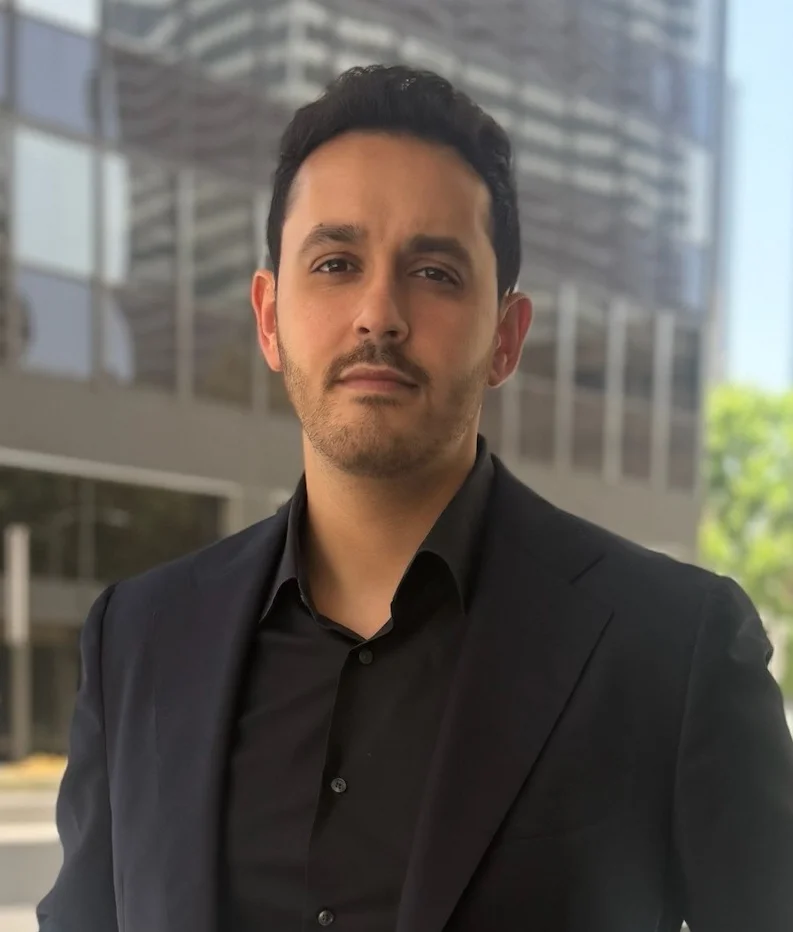 David M. Safvati
Founding Partner
David M. Safvati
Founding Partner
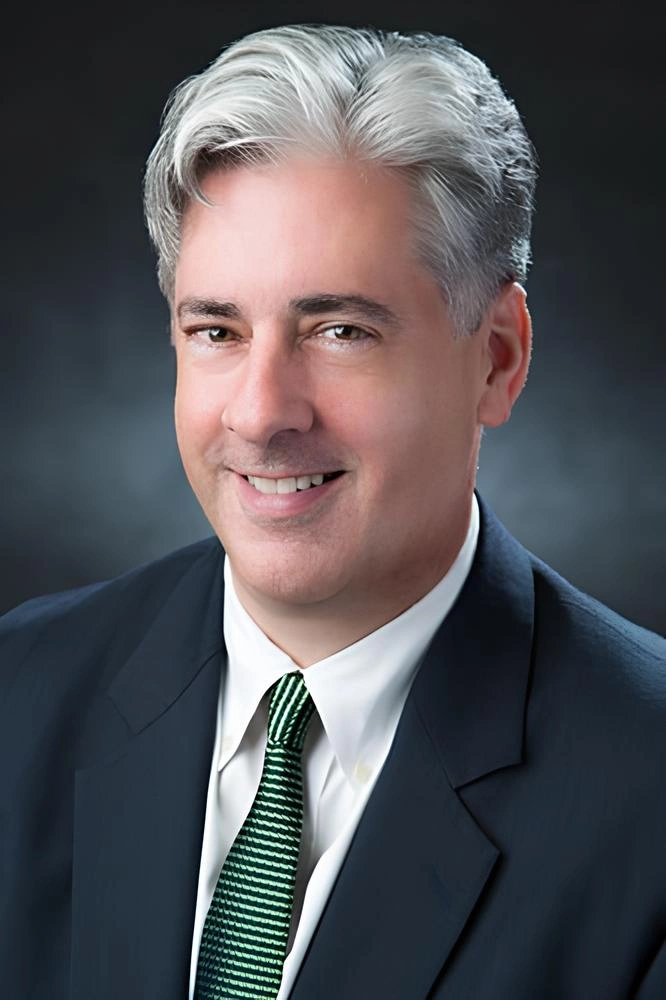 Paul S. Marks
Of Counsel
Paul S. Marks
Of Counsel
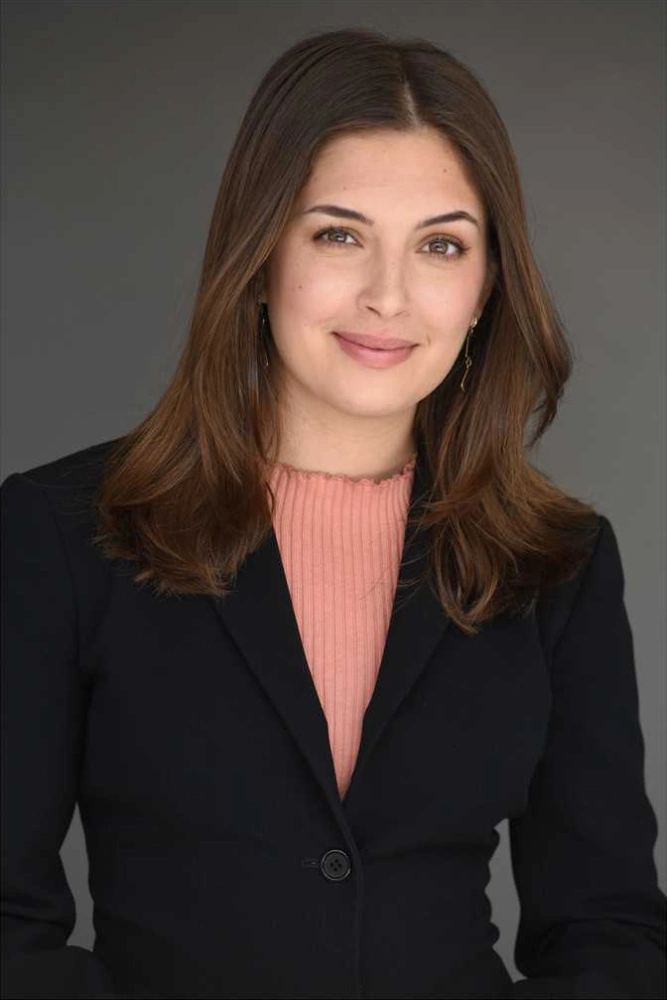 Taylor Markey
Of Counsel
Meet the Team →
Taylor Markey
Of Counsel
Meet the Team →

40+ Years Combined Experience
Top 100 Verdict in California (2024). A real trial law firm that fights for results.
Schedule a Consultation →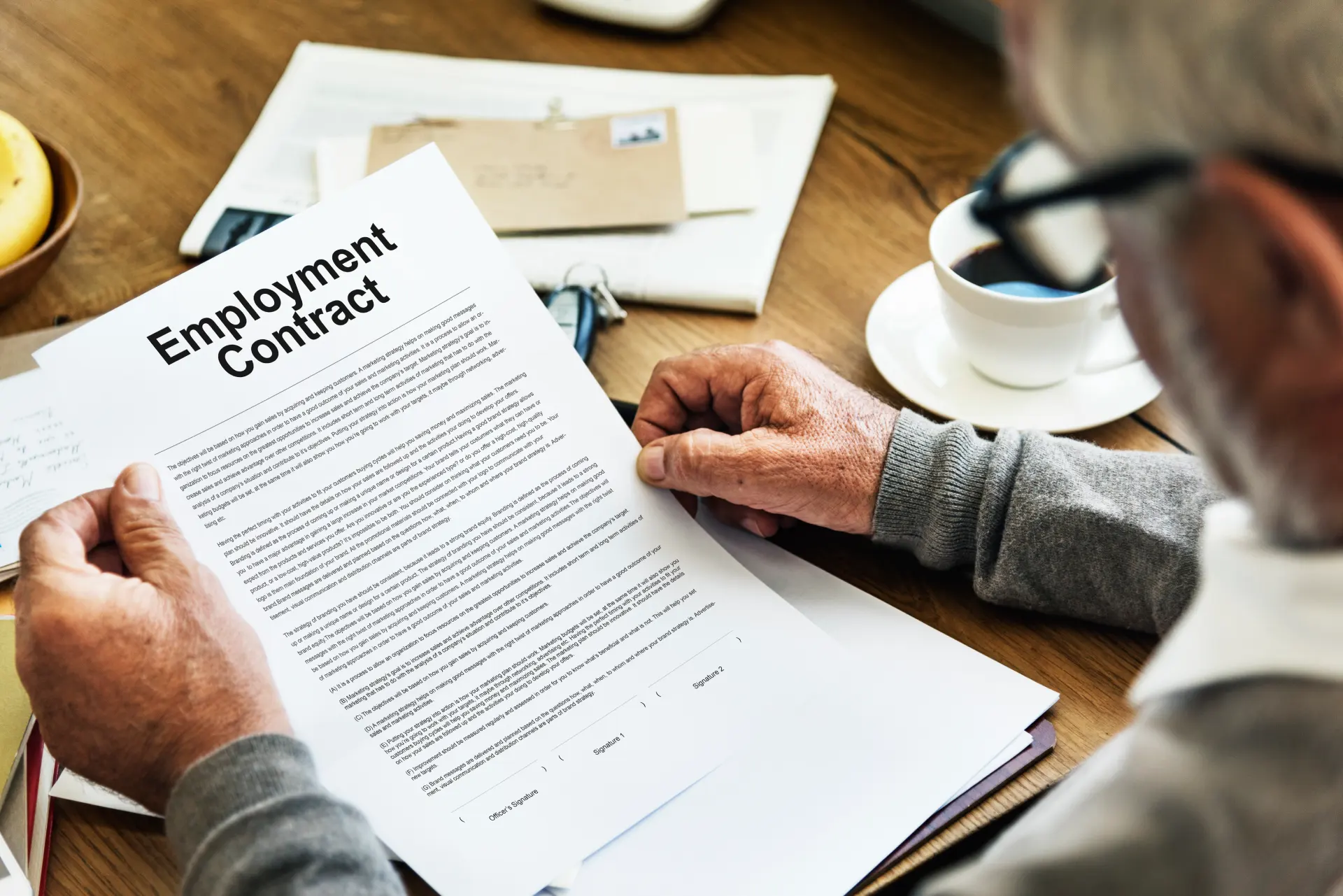
Free Case Evaluation
Our California attorneys offer free, confidential consultations.
Get a Free Evaluation →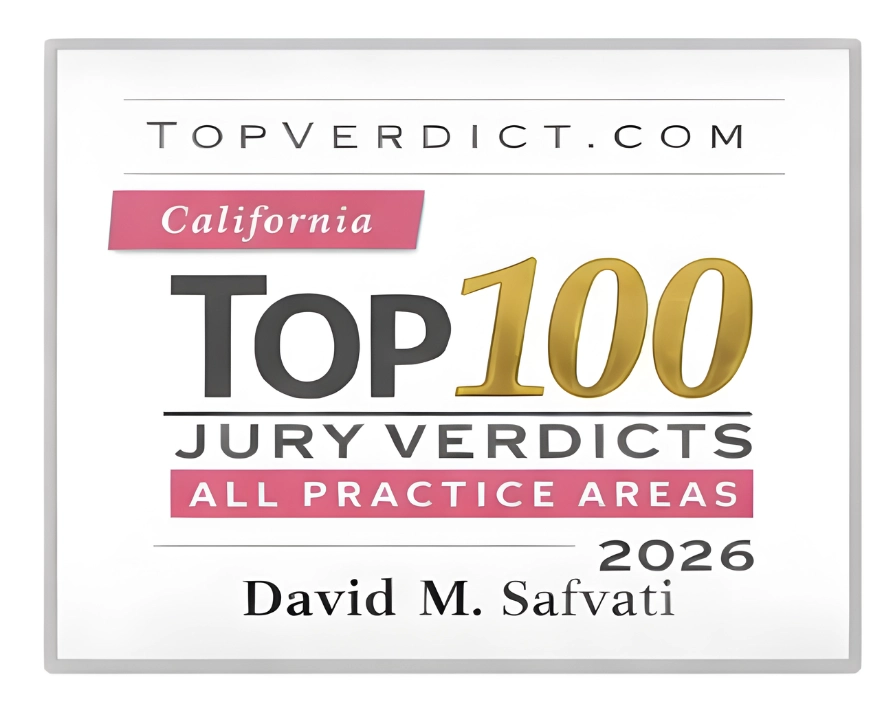
We Prepare Every Case for Trial
That’s why insurance companies take us seriously — we prepare every case for trial.
View All Results →
Serving Employees Across California
Wherever you work in California, our attorneys can take your case.
Get a Free Evaluation →
Not Sure Where You Stand?
A free consultation is the fastest way to understand your options.
Talk to an Attorney →